5 Reasons Why People Are Saying This Ethiopian Black Seed Oil May Be The Secret To Beating Bloating, Clearing Brain Fog & Restoring Energy (It's Way Better Than The Bottle You Already Tried)


Summary: A ConsumerLab analysis found up to 263x variation in active compound levels across commercial black seed oil products — meaning most bottles on the shelf contain almost none of the compound responsible for the benefits. Here's why the bottle you tried probably didn't work, and what thousands of people are switching to instead.
1. The Bottle You Tried Had Almost No Active Compound In It
This is the reason most people try black seed oil, feel nothing, and walk away thinking it's overhyped.
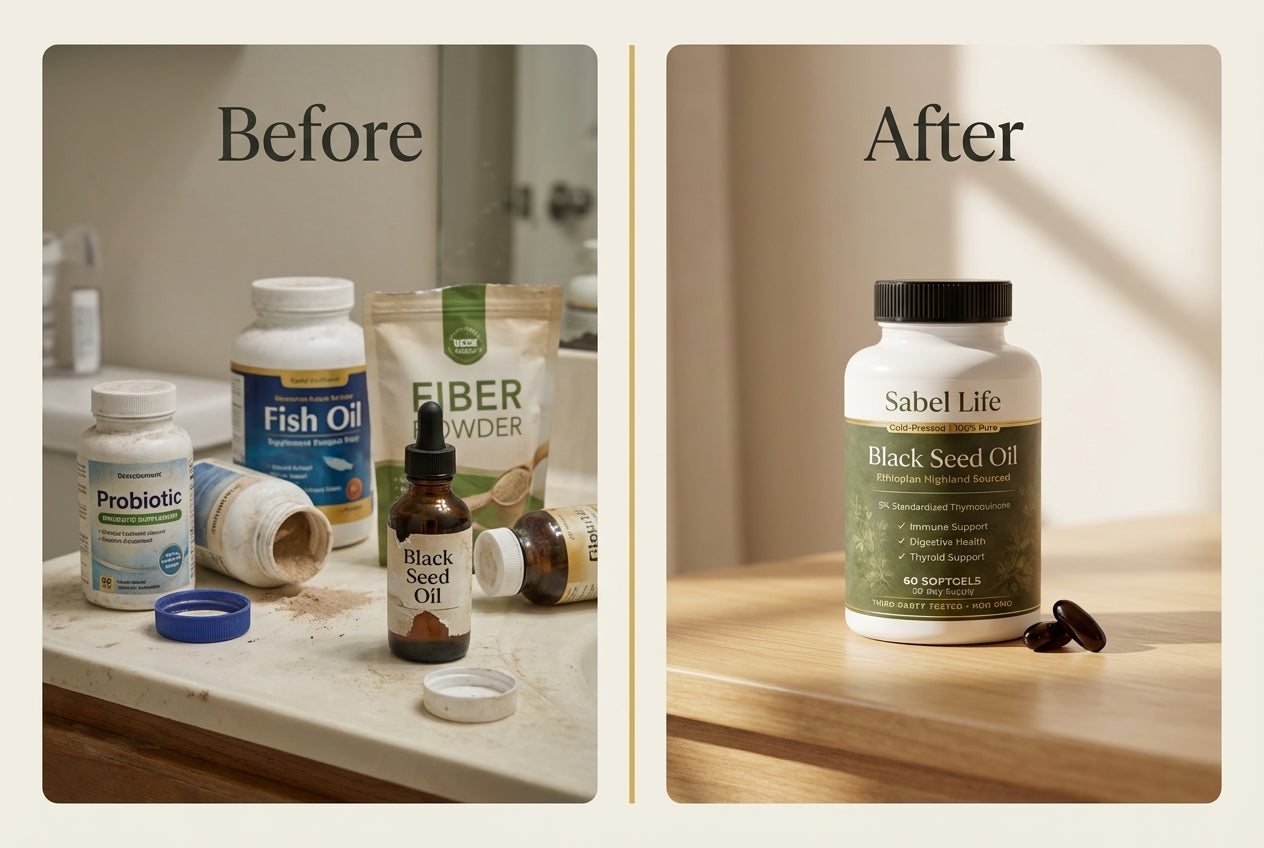
ConsumerLab analyzed commercial black seed oil products and found up to 263x variation in thymoquinone content across brands. That means one bottle might contain 5% TQ while the one sitting next to it on the shelf contains 0.02%. Both labels say "black seed oil." Both charge premium prices. One has the active compound. The other is expensive cooking oil.
Most bottles on Amazon and at your local health store fall between 0.5% and 1.2% thymoquinone. The clinical studies that produced real results used oil standardized to 2–5% thymoquinone. Below that threshold, you're not getting enough to disrupt biofilm, modulate inflammation, or do anything you bought it for. Sabel Life is standardized to 5% TQ — lab-verified every batch.
2. Your Seeds Were Grown At The Wrong Altitude — And It Changes Everything
This sounds like marketing but it's actually agricultural science.
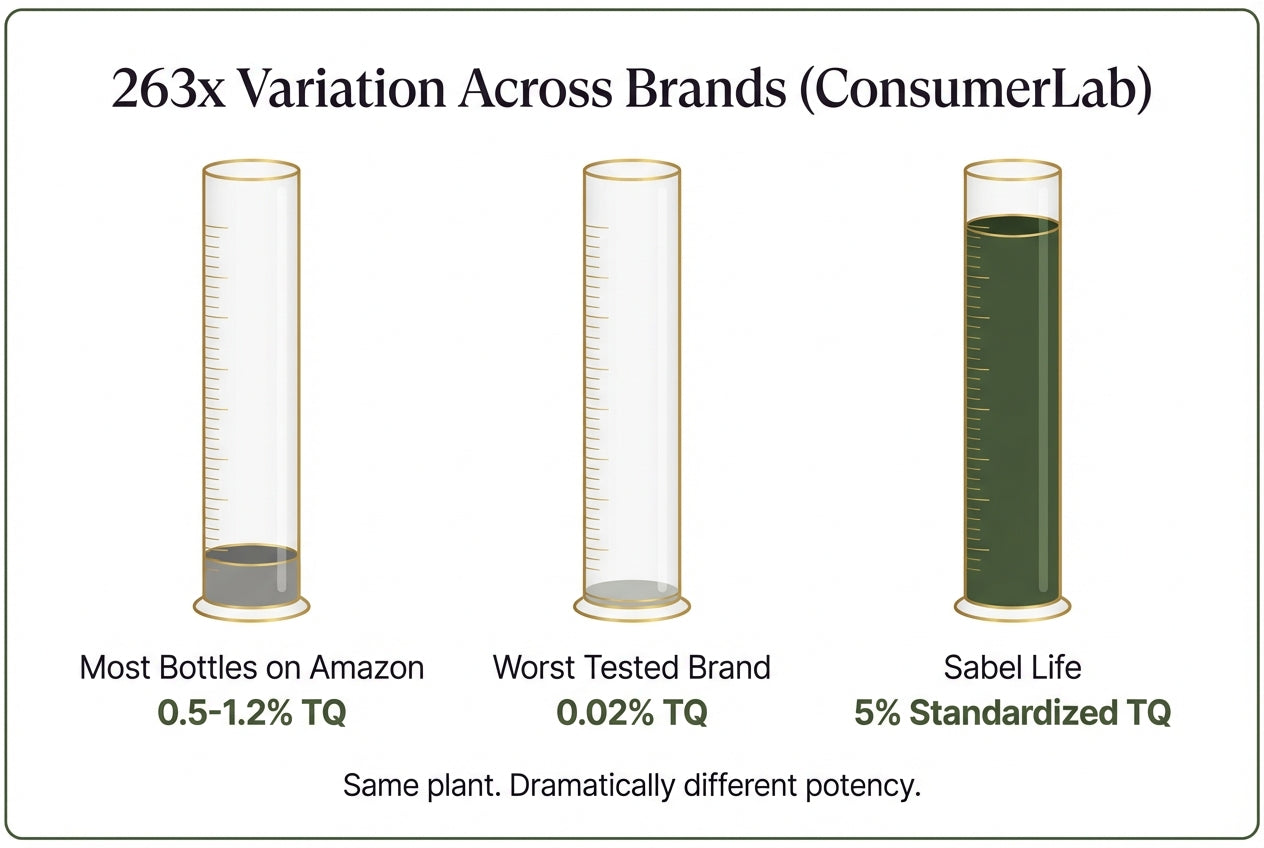
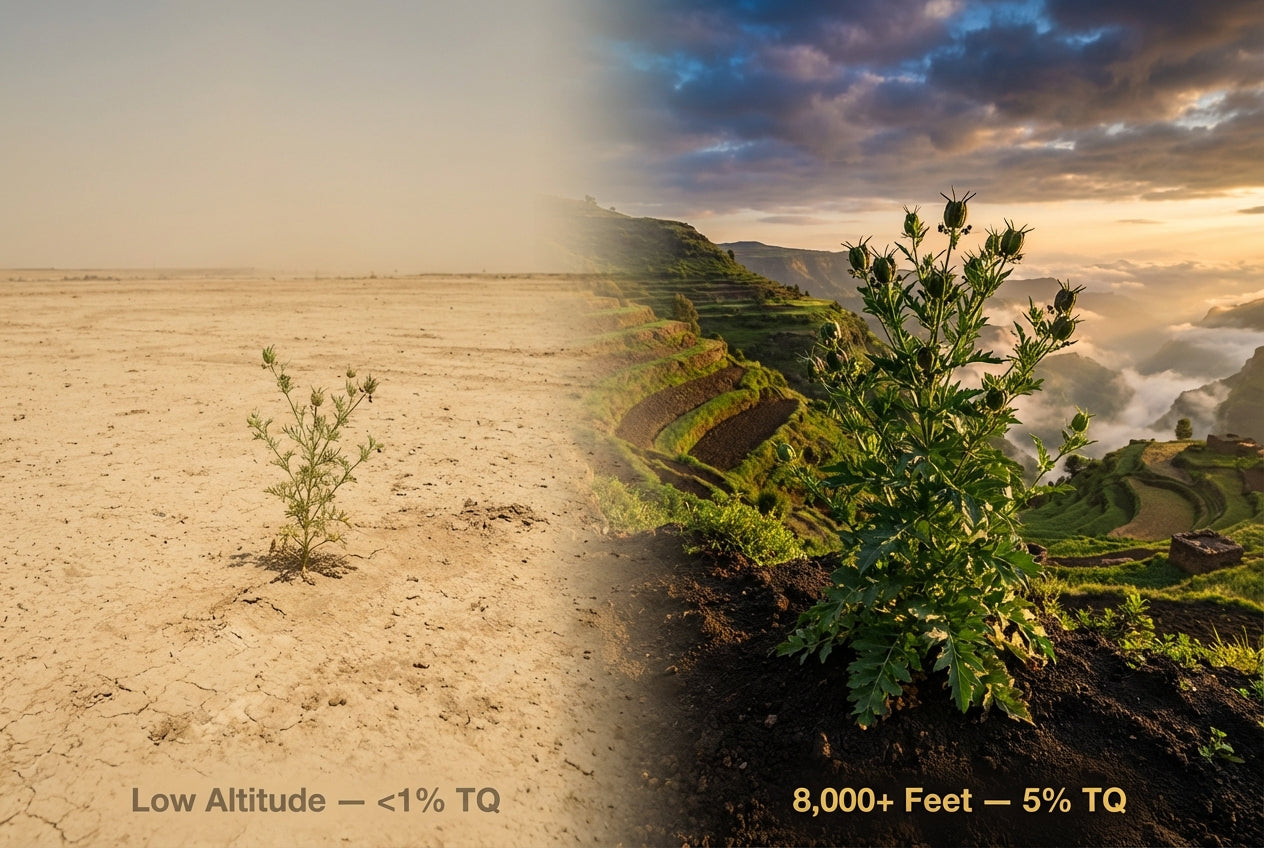
Nigella sativa produces thymoquinone as a defense mechanism against environmental stress. The harder the plant has to fight to survive, the more TQ it produces. Seeds grown in flat, irrigated farmland in Egypt, India, or Turkey experience relatively low stress. They produce oil with low, inconsistent TQ levels. This is where most commercial black seed oil comes from.
Seeds grown in the Ethiopian Highlands — above 8,000 feet — experience intense UV radiation, volcanic soil, and dramatic temperature swings. Under these conditions, the plant produces up to 5x more thymoquinone than low-altitude varieties. The seeds that struggle hardest produce the strongest medicine. Sabel Life sources exclusively from Ethiopian Highland farms at 8,000+ feet elevation. Single-origin. Never blended with cheaper low-altitude oil.
3. Your Liquid Oil Oxidized Before You Even Opened It
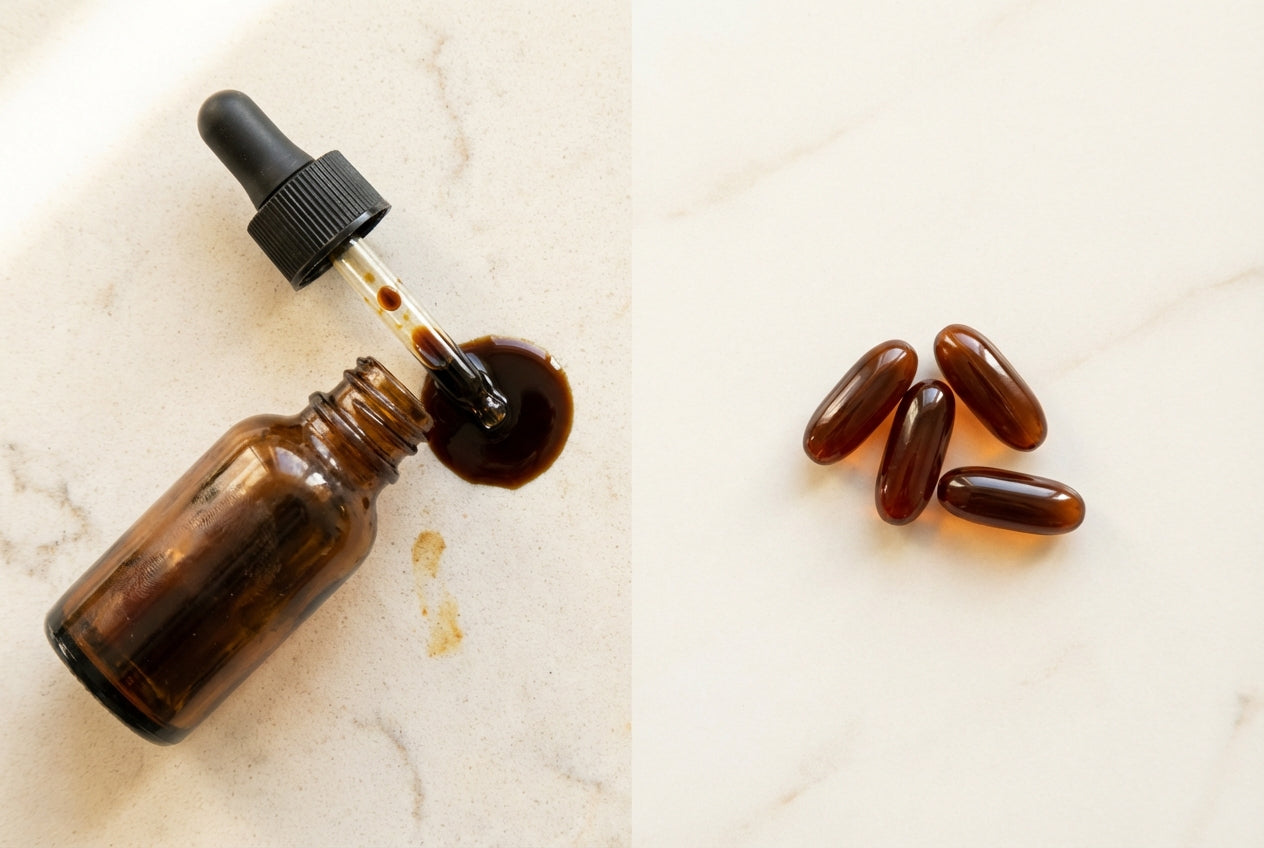
Thymoquinone is a volatile compound. It degrades when exposed to light, heat, and oxygen. This is a well-documented problem — and it's why the liquid oil in a glass bottle with a dropper might have had decent TQ levels when it was pressed, but significantly less by the time it reached your kitchen.
Every time you open the bottle, oxygen gets in. Every day it sits on your counter, light degrades the TQ. If the oil was shipped in summer heat or sat in a warehouse, the damage started before you even bought it. Sabel Life uses softgel encapsulation — the TQ is sealed inside a capsule that protects it from oxygen, light, and heat until the moment it dissolves in your gut. Consistent dose. No guessing. No degradation. No bitter taste.
4. You Didn't Take It Long Enough To See Results
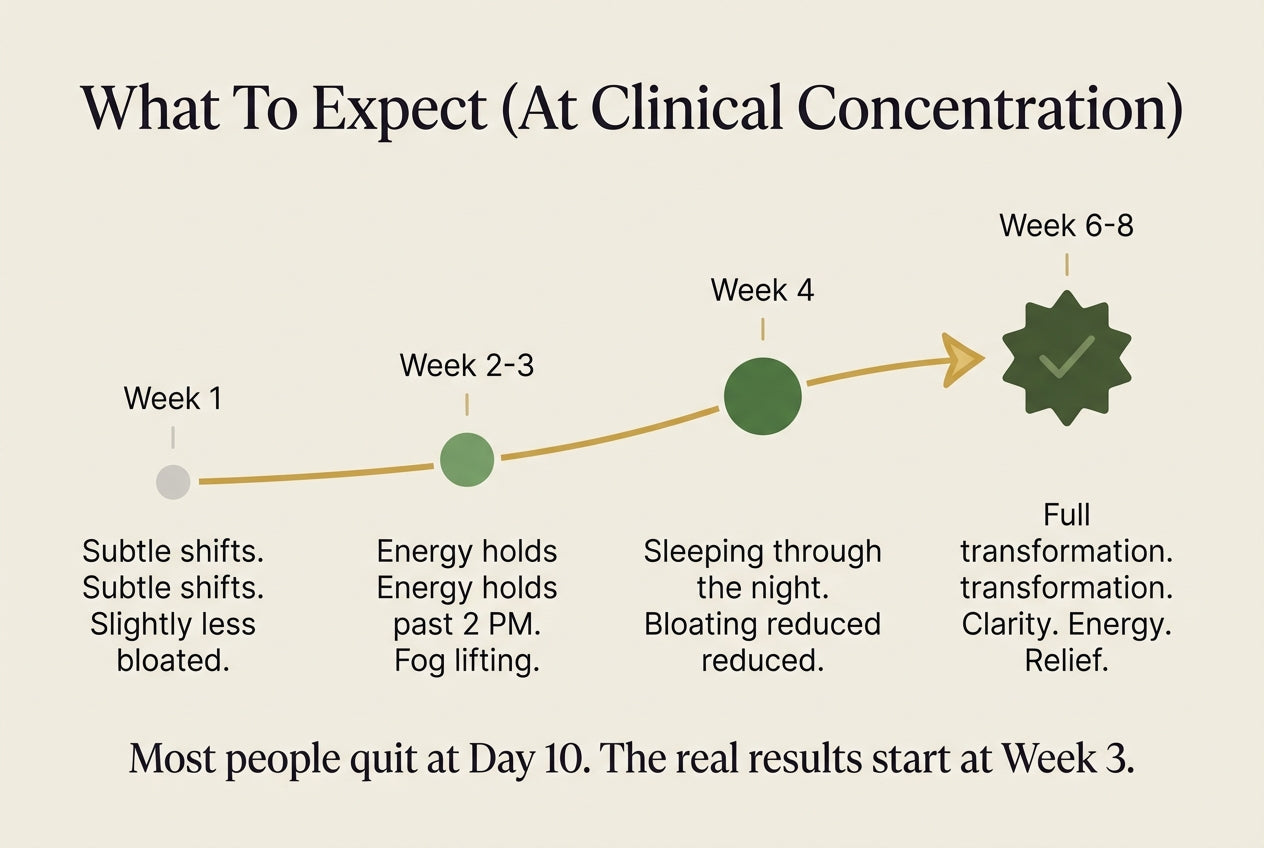
Most people try a new supplement for 7–14 days. If they don't feel dramatically different, they stop. That's a reasonable approach for most things — but it's the wrong timeline for thymoquinone.
The clinical studies on Nigella sativa that showed meaningful results ran for 4–8 weeks minimum. Most users report the first noticeable changes around weeks 2–3, with significant improvements between weeks 4–8. If you took black seed oil for ten days, felt nothing, and stopped — you didn't give the compound enough time to do what it does. Especially if the TQ concentration was low to begin with, you were essentially micro-dosing a compound that needs sustained therapeutic levels to work. That's why most Sabel Life customers choose a 2–3 month bundle — it gives you the full window the research supports.
5. Something In Your Gut Was Blocking Everything You Took
This is the reason nobody talks about — and it applies to every supplement you're taking, not just black seed oil.
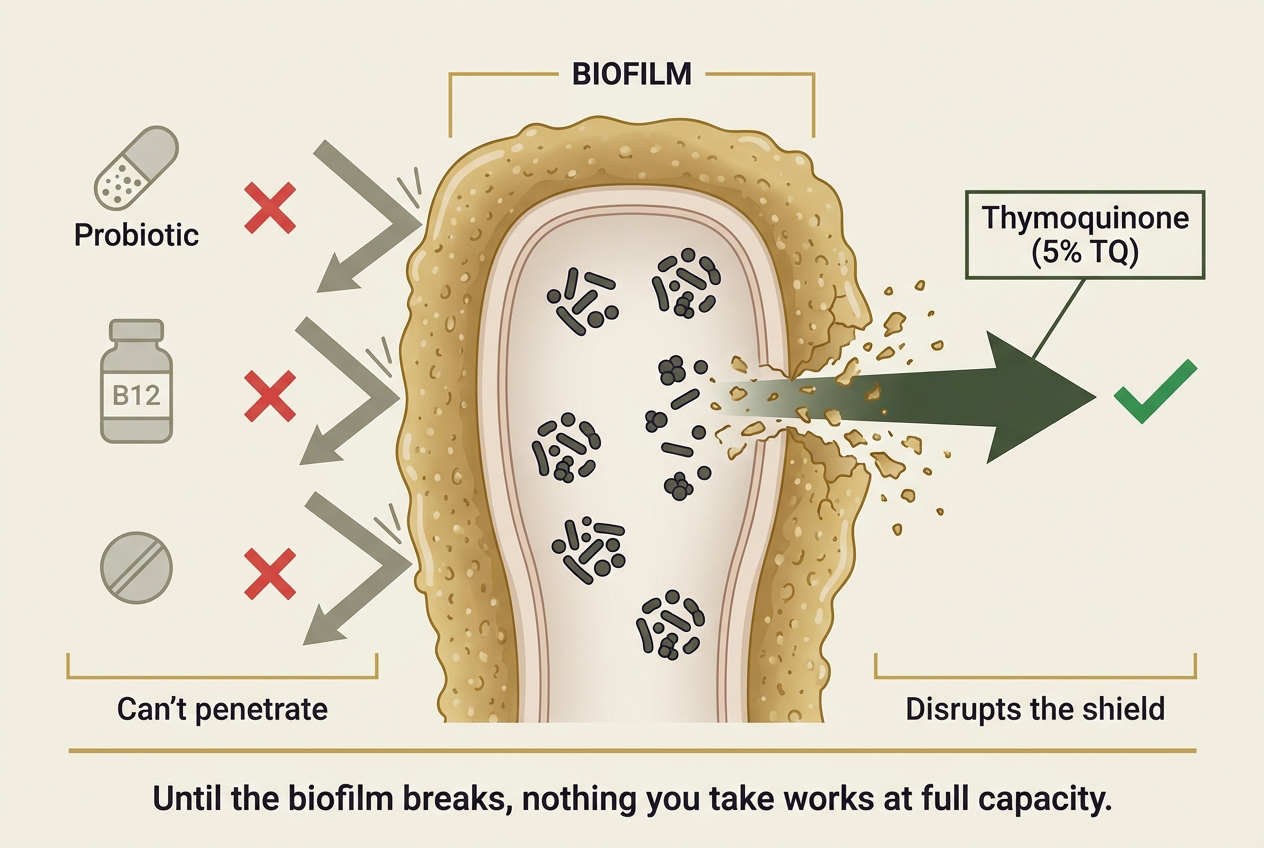
If your gut has an established biofilm — a protective matrix built by pathogenic organisms — then nothing you swallow is working at full capacity. Probiotics can't colonize. B12 and iron can't absorb properly. Anti-inflammatory compounds can't reach the intestinal lining. Everything you take hits the biofilm and gets deflected.
Here's what makes thymoquinone at 5% concentration unique: it's one of the only natural compounds shown to disrupt biofilm itself. Published research demonstrates TQ inhibits biofilm formation by 58–90% and can collapse existing biofilm architecture. It doesn't just survive the hostile gut environment — it clears the path for everything else to work. So if your black seed oil didn't work, and your probiotic didn't work, and your B12 didn't work — the problem might not be what you're taking. It might be what's blocking everything you take from reaching where it needs to go.
If you've made it this far, you probably recognize your own story in at least two of those reasons. Maybe you tried black seed oil a year ago and wrote it off. Maybe you're taking one right now and wondering why it's not doing what the studies promised. Either way — the answer isn't that black seed oil doesn't work. The answer is that your bottle didn't have enough of the compound that makes it work.
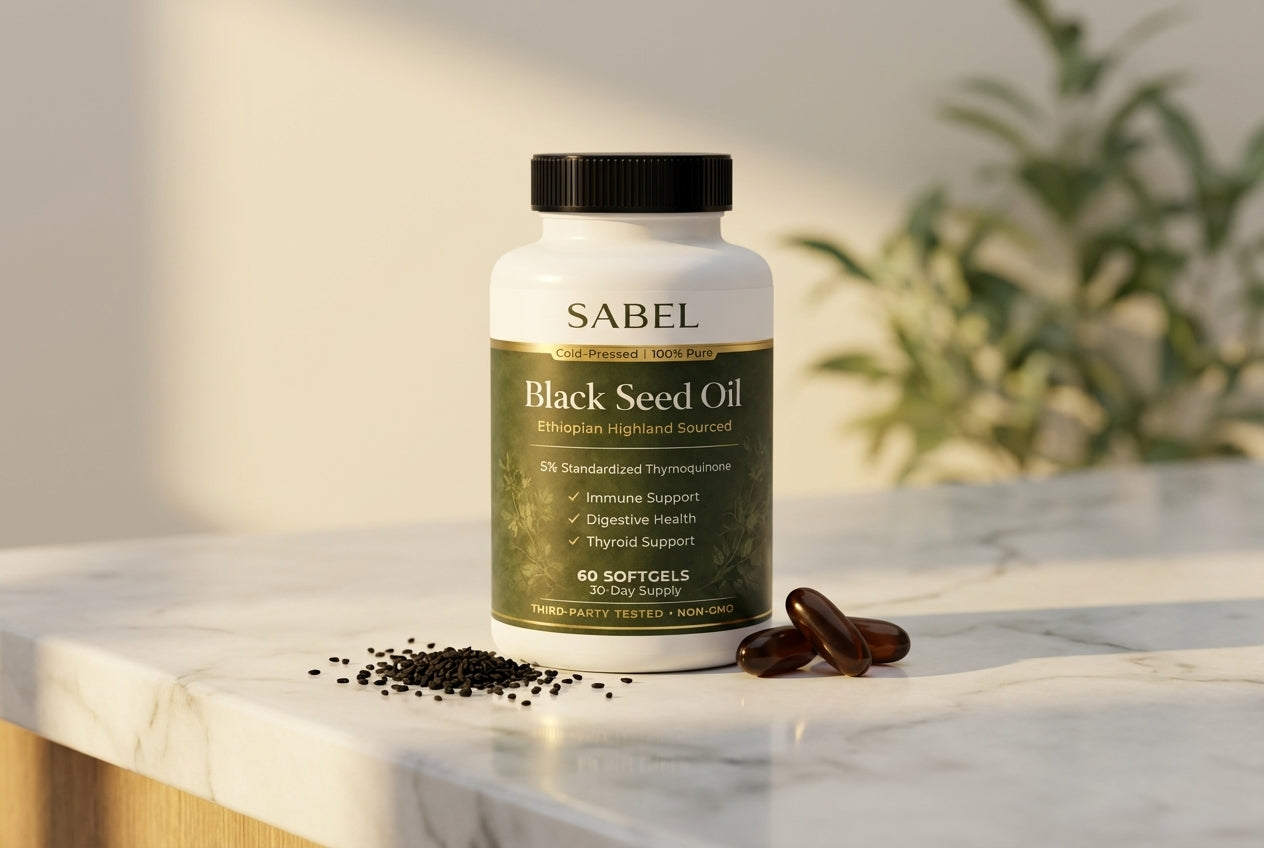
Sabel Life Ethiopian Black Seed Oil. 5% standardized thymoquinone. Ethiopian Highland sourced at 8,000+ feet. Softgel format. Third-party tested every batch. 30-day money-back guarantee.
Same plant. Different altitude. Different results.
Check Current Stock →But Don't Just Take Our Word For It... See What Others Are Saying:
"I bought a bottle of black seed oil from Amazon three years ago because I kept seeing it recommended for gut health. Took it for two weeks. Felt nothing. Tasted terrible. I threw it out and told everyone black seed oil was overhyped.
My naturopath convinced me to try again — but specifically with Ethiopian Highland sourced oil at 5% TQ. I was skeptical but I trust her. Completely different experience. By week 3 my bloating was noticeably reduced. By week 6 my skin cleared up and my energy held past 3 PM for the first time in months.
The bottle I tried before was a completely different product despite having the same name on the label. Concentration matters. Sourcing matters. I wish someone had told me that three years ago instead of letting me give up on something that actually works when you get the right one."
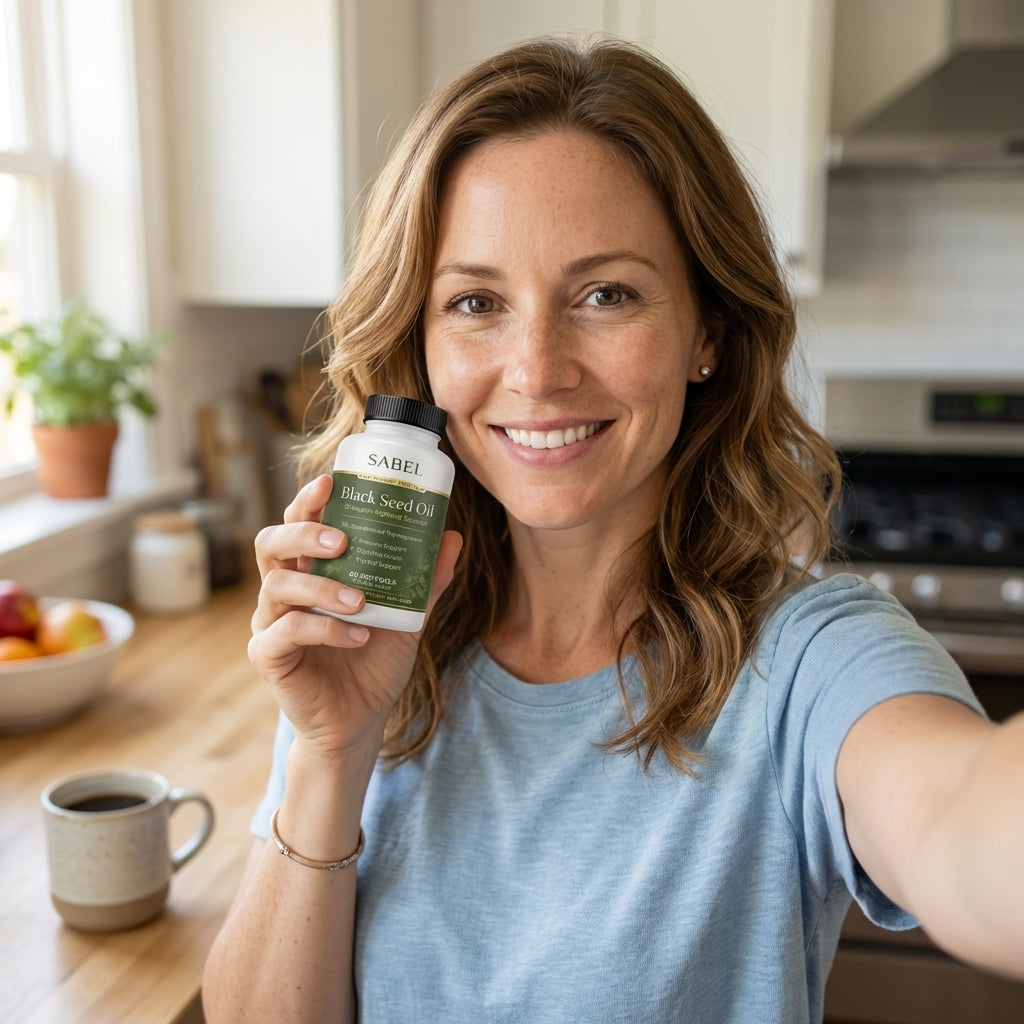
"I'm the kind of person who reads studies before buying any supplement. When I saw the ConsumerLab data showing up to 263x variation in TQ content across brands, I went back and looked at what I'd been taking. No TQ percentage listed anywhere. Just 'cold-pressed' and 'organic' — words that tell you nothing about potency.
Switched to Sabel Life specifically because of the 5% standardization and third-party testing. Within 6 weeks my joint stiffness in the morning was noticeably reduced and my fasting glucose dropped for the first time in over a year. I also stopped having the 2 PM energy crash that I'd been blaming on my lunch.
If you're taking black seed oil and not seeing results, check your label. If there's no TQ percentage listed, you're probably taking the equivalent of a placebo. Sourcing and concentration are everything. This is the real thing."