
7 Reasons Your Toenail Fungus Keeps Coming Back
If you’ve blamed the yellowing, the thickening, or the crumbling edge on tight shoes, a stubbed toe — or just “getting older” — you’re not alone. Most people do. And most people are treating the wrong layer.
The real reason isn’t the nail you can see. For most people it’s something living underneath it — sealed in where creams, polishes and filing can’t reach. Here are 7 reasons it keeps coming back.
It’s Far More Common Than You’d Think
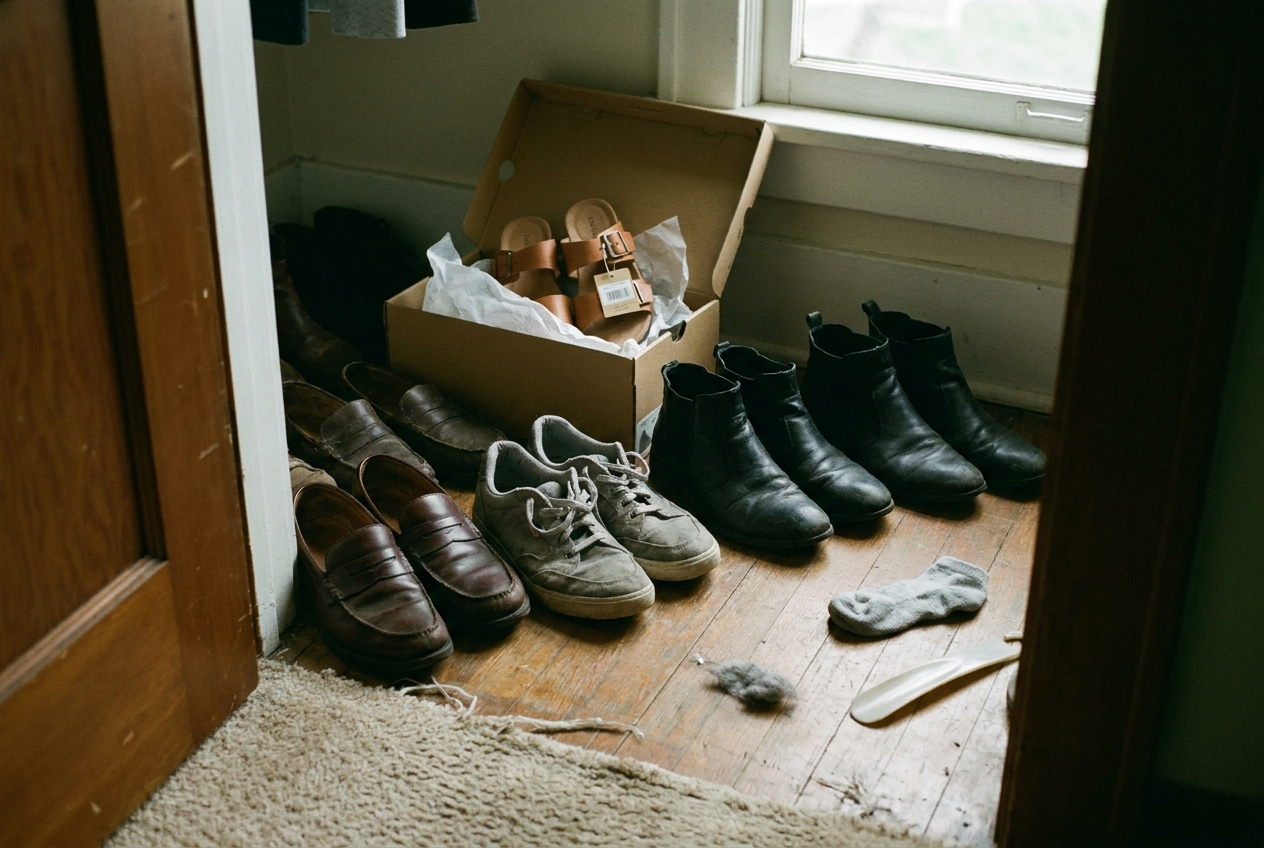
You don’t have to be careless or unclean to catch this. Almost everyone picks it up through completely ordinary, everyday places:
Gyms & Locker Rooms
Wet tile, shared showers and pool decks are where it spreads most.
Nail Salons
Files, clippers and foot baths that move from one client to the next.
Shoes All Day
Closed shoes create the warm, damp dark that fungus needs to take hold.
Shared Towels
Towels, bath mats and laundry carry spores from one foot to another.
Nail Trauma
A stubbed toe or running-shoe pressure breaks the seal and lets it in.
Around the House
One nail infects the next — then the other foot, then the people you live with.
Barefoot Floors
Hotel carpet, changing rooms and pool decks hold spores for months.
Slower Nail Growth
Nails grow slower with age — giving fungus far more time to establish.
If any of these sound familiar you’ve almost certainly been exposed.
But here’s what catches people off guard: exposure alone doesn’t cause the problem. It’s when the fungus gets under the nail plate and settles into the nail bed that the colour changes and the nail begins to thicken — and by then, nothing you put on top can reach it.
It almost always starts the same way — with something most people ignore for months.
The Pattern
01It Didn’t Start as a Thick Yellow Nail
It started as a small pale spot near the tip. A faint white streak you assumed was polish damage, or a bruise from a run.
Most people file it down, cover it, and forget about it — because for months it doesn’t hurt, and it doesn’t move fast enough to worry anyone.
But it never fades. It creeps back from the edge, month after month. That is the tell. Ordinary nail damage grows out. This grows in.
The Hidden Cause
02It’s Not a Stain. Something Is Living Under There.
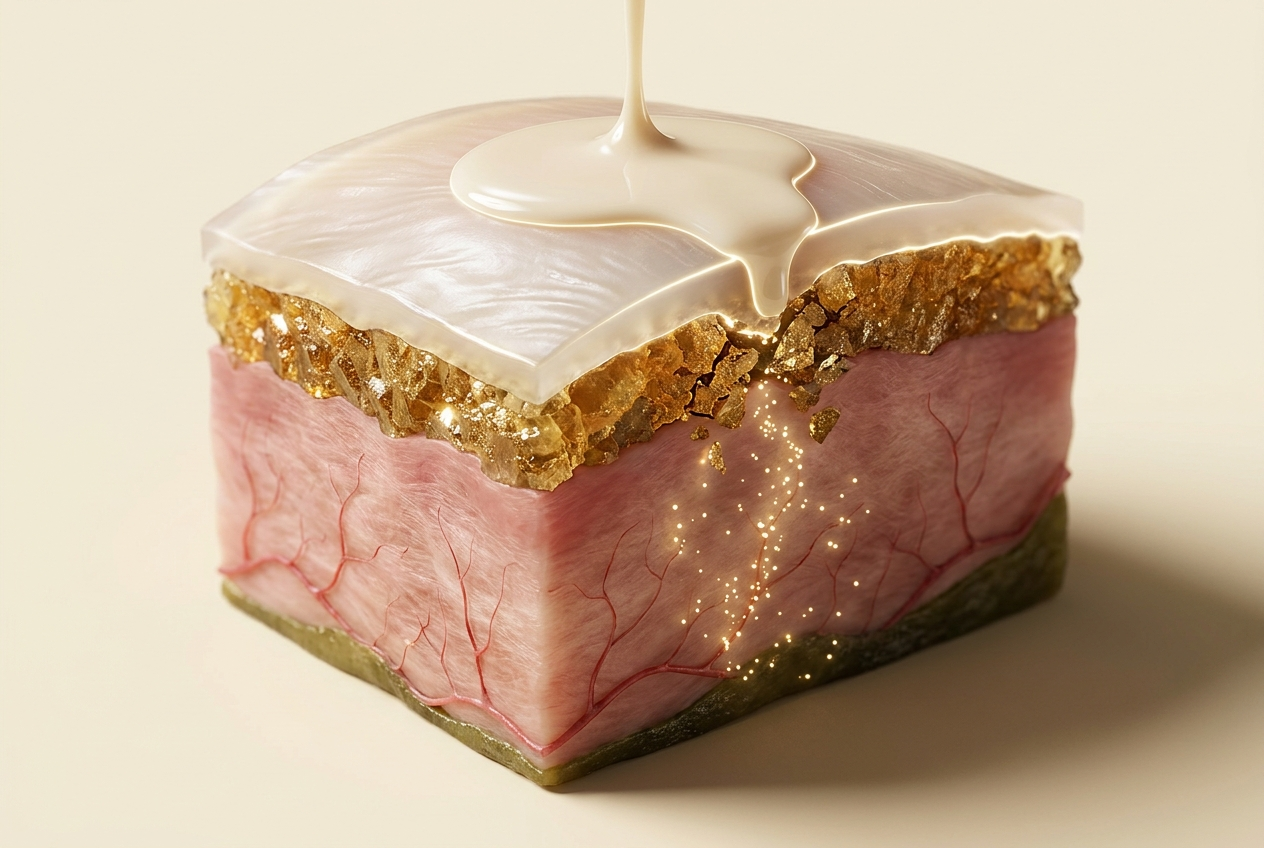
Here’s what most people are never told: that discolouration isn’t on the nail. It’s a living fungal colony underneath it, feeding on keratin — the protein your nail is built from.
As it eats, the nail loses its structure from below. That is the thickening, the crumbling edge, the lifting away from the nail bed, and the smell that soap never quite removes.
It isn’t poor hygiene and it isn’t your fault. It’s an organism with a food supply — and it keeps eating until something actually reaches it.
Why It Hides So Well
03The Nail Is the Perfect Hiding Place
If you’ve treated this for months and have nothing to show for it, this is why.
The fungus doesn’t sit on top of the nail. It lives under and inside the nail plate — and it wraps itself in a self-made slime layer called a biofilm, a shield that seals it off from anything applied to the surface.
So the polish goes on the nail. The cream sits on the nail. And the colony underneath is never touched. The problem was never that you weren’t consistent. It’s that nothing was reaching the right layer.
Why Nothing You’ve Tried Worked
04If You’ve Tried to Treat This Before…
A medicated polish. Tea tree oil. Vinegar soaks. Filing it down every week. Maybe even a prescription lacquer you applied religiously for a year.
If you’ve done any of it and the nail still came back, it wasn’t your fault — and it doesn’t mean nothing can change.
Almost none of it penetrates the nail plate — and what little does still meets the biofilm. It works on the surface, the shield stays intact, and within weeks the colony is protected again. To change anything, you have to reach it from a direction the nail can’t block.
What Finally Reaches It
05How Black Seed Oil Reaches What Creams Can’t
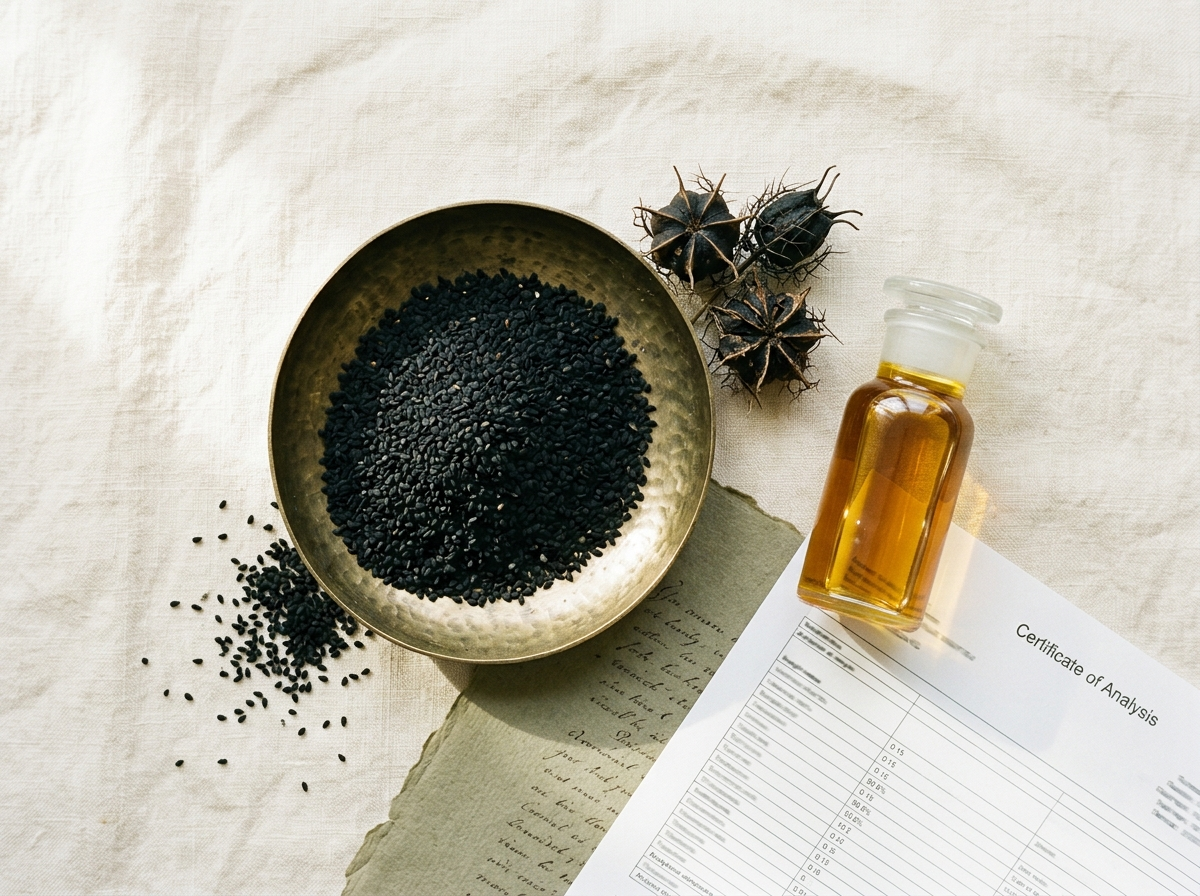
This is where black seed oil is different from everything else you’ve tried. Its active compound — thymoquinone (TQ) — has been shown in published research to penetrate and disrupt biofilm by 99.2%.
And because you take it internally, it never has to fight through the nail plate at all. It arrives through the nail bed — the living tissue underneath, where the colony actually lives — so your body’s own defences can finally reach what was sealed off.
That’s the difference between painting the roof and getting inside the house.

Why 5% Is the Threshold
06Why Most Black Seed Oil Does Nothing
Not all black seed oil can do this. Most can’t come close.
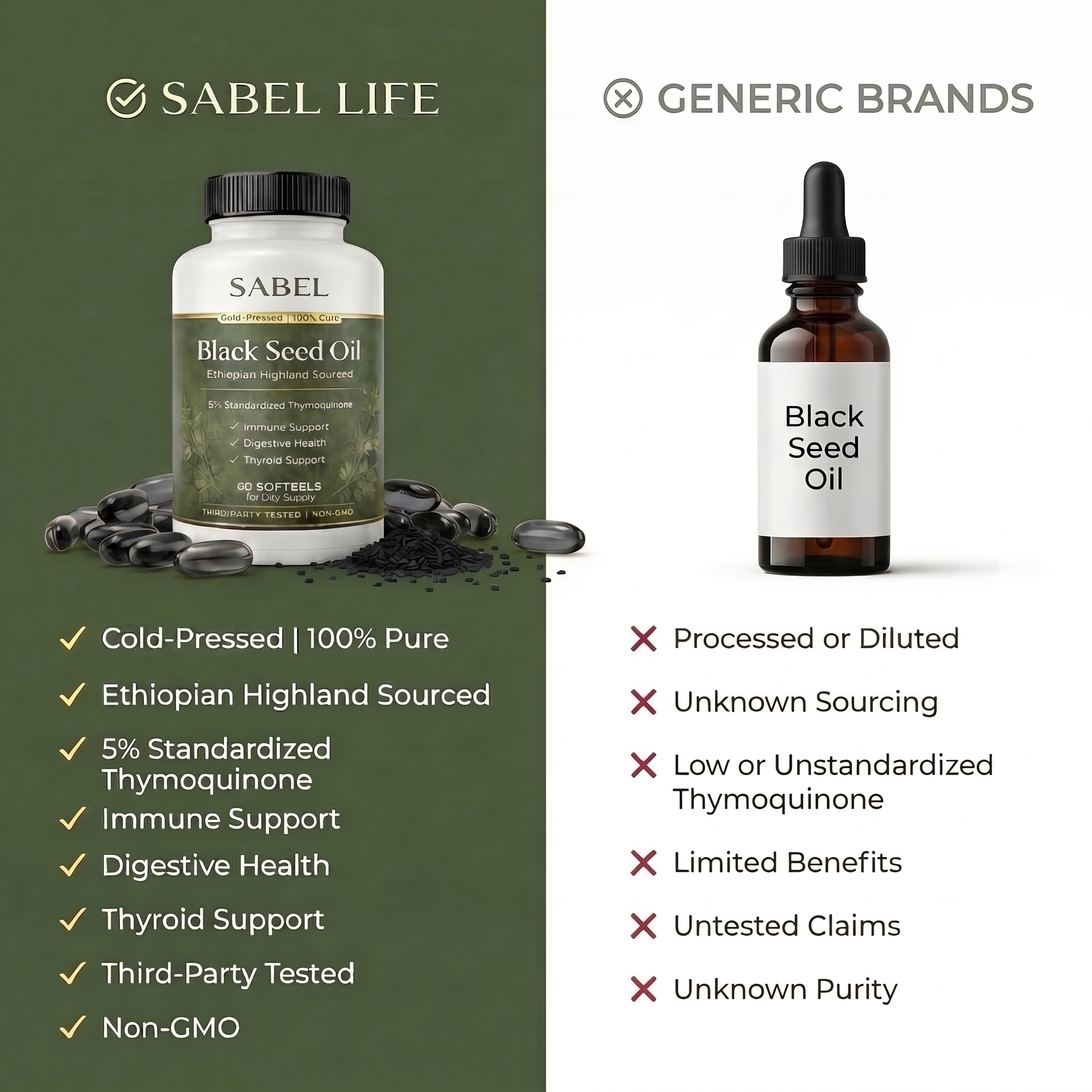
Standard black seed oil contains just 0.5–1.2% thymoquinone — far below what it takes to break the shield. That’s why the bargain softgels and grocery-store oils leave people feeling nothing.
It takes a concentration near 5% TQ to actually break that shield — and you can’t manufacture it. It only comes from where the seed is grown: the Ethiopian Highlands, above 8,000 feet, where the harsh climate forces the seed to concentrate its compounds. Cold-pressed, third-party tested, small-batch.
What Changes
07Two Soft Gels, and the New Growth Comes In Clear
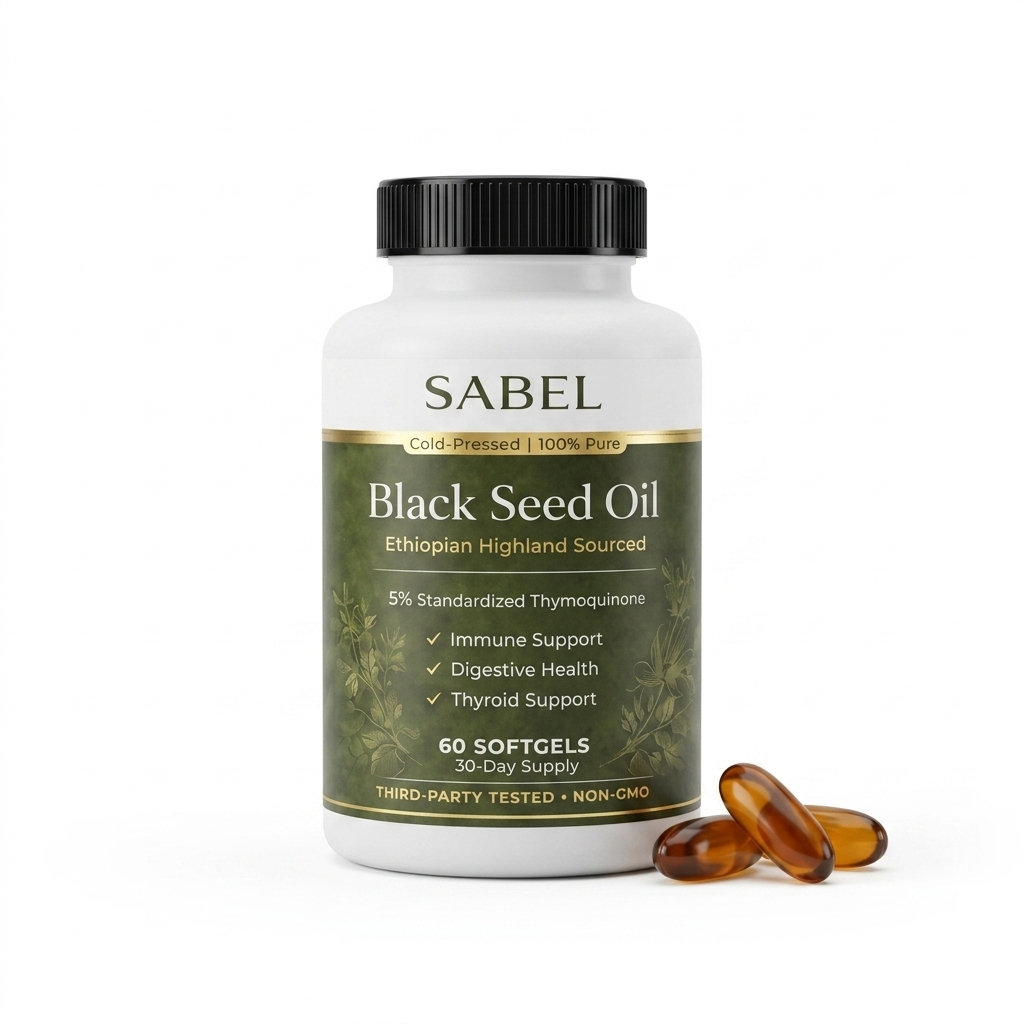
No soaking, no filing, no smell, no year-long lacquer routine. Sabel delivers that 5% TQ in two odourless soft gels you take before bed — so it works overnight, from the inside.
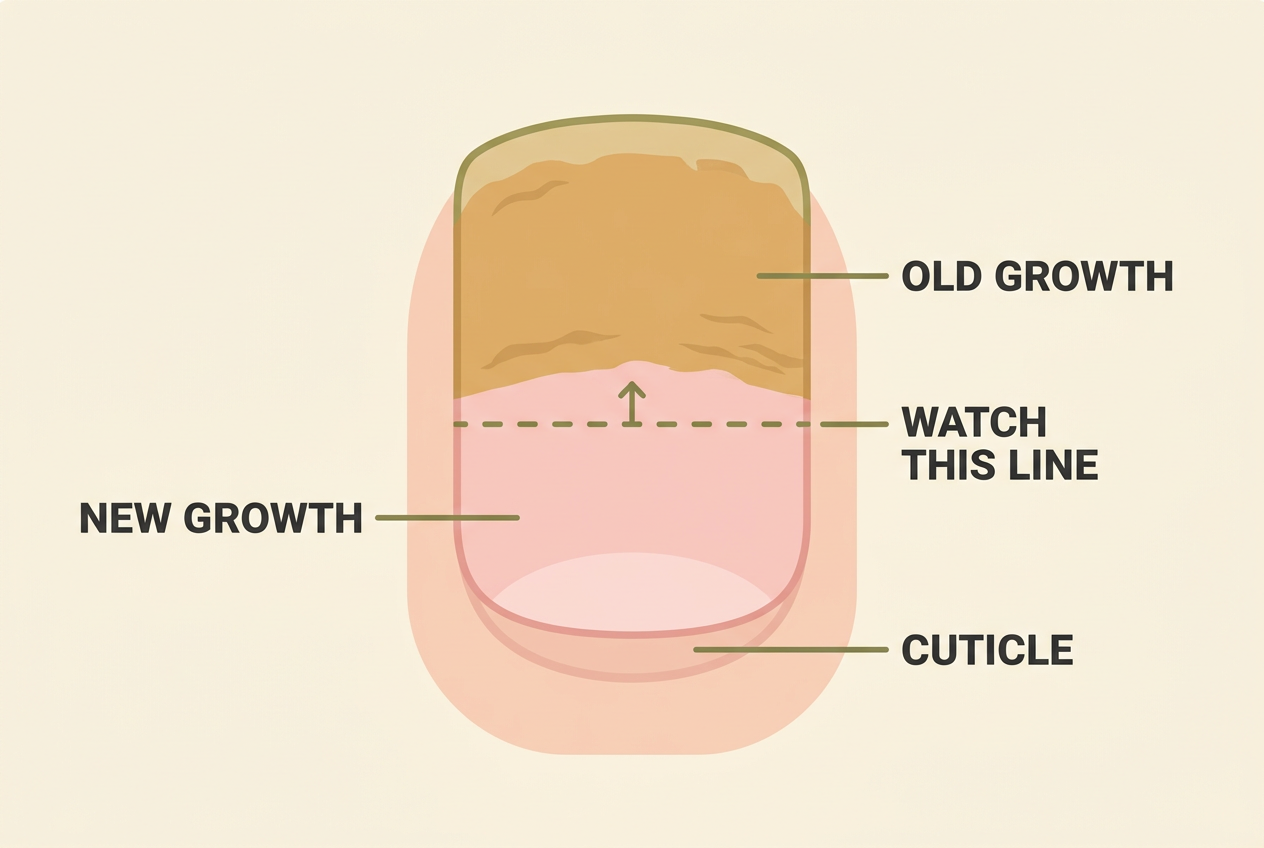
And here is exactly what to watch for: the change never starts at the tip. It starts at the base. A clear band appears at the cuticle and widens week by week as healthy nail pushes the damaged nail forward.*
It’s not a cover-up. It’s finally addressing the layer underneath — the reason it kept coming back.
It Never Stays in One Nail
Here’s the part most people don’t realise: left alone, this doesn’t hold steady. It spreads.
Every month it goes unreached, the colony works deeper into the nail bed and the biofilm thickens around it — leaving less healthy structure for the nail to grow back from.
- It moves to the neighbouring toes — and usually to the other foot
- The nail bed itself distorts, so even new growth comes in thickened and ridged
- The longer it’s established, the longer the grow-out takes once you finally reach it
The longer it’s left, the more nail you have to grow out. That’s why the people who see the biggest change are the ones who start before it takes the whole nail.
Break the Cycle — Buy 2 Get 1 Free →
[PLACEHOLDER — replace with a real, permissioned customer review before running traffic.]

[PLACEHOLDER — replace with a real, permissioned customer review before running traffic.]

Sabel Life Ethiopian Black Seed Oil — Standardized to 5% TQ
Cold-pressed Nigella sativa from the Ethiopian Highlands, delivering the rare 5% thymoquinone concentration in two simple soft gels a day — taken from the inside, where the nail can’t block it.
- Standardized to 5% thymoquinone — not the 0.5–1.2% in standard oil
- Ethiopian Highland sourced, grown above 8,000 feet
- Cold-pressed, third-party tested, non-GMO
- Two odourless soft gels before bed — no soaking, filing or lacquer
- Backed by a 30-day money-back guarantee
Start Your Nail Reset
Two soft gels before bed, backed by our 30-day money-back guarantee. Also available: Buy 3 Get 2 Free.
Get Sabel Life — Buy 2 Get 1 Free →Love it or it’s free.
Try Sabel Life for a full 30 days. If you’re not completely satisfied for any reason, return it for a full refund — no hard feelings.
The Science of the Biofilm Shield
Topical treatments don’t fail because you weren’t consistent. They fail because the fungus behind the discolouration lives under the nail plate, behind a biofilm. It’s a protective slime layer that creams, polishes, soaks and essential oils simply bounce off — assuming they get through the nail at all.
Together, that’s the whole point: reach the shield from a direction the nail can’t block, break it open, and let clear nail grow in behind it.
The difference isn’t the treatment. It’s whether the compound can actually reach what’s there.
What the Nail Has Been Telling You
Yellow or Brown Streaks
The colour isn’t staining on the surface — it’s the colony and its debris packed underneath the nail plate. Reach that layer and the new nail growing in behind it comes back clear.*
Thickening You Can’t File Down
Filing removes nail; it never removes what’s causing the build-up, so it returns thicker each time. Address the cause and the new growth comes in at normal thickness.*
Crumbling, Brittle Edges
As keratin is consumed from below, the nail loses the structure holding it together and the edge breaks apart. Protect the keratin and the edge stops shedding.*
Lifting From the Nail Bed
Debris builds in the space between nail and bed and pushes the plate up — which is also how it spreads sideways. Clearing that space lets the nail re-attach as it regrows.*
Odour That Won’t Wash Off
The smell is a by-product of the colony feeding, produced under a nail no amount of washing can reach. Remove the source and it goes with it.*
Spreading to the Next Toe
One infected nail seeds the next, then the other foot — which is why treating a single nail on the surface never ends it. A systemic approach reaches every nail at once.*
What Grow-Out Actually Looks Like
Nothing visible yet — and that’s expected. The nail you can see is already dead keratin. The work is happening underneath it.
The first clear band appears at the base of the nail. This is the only place change ever shows first.
The clear band widens. Thickness begins to ease and the edge stops crumbling as fast.
Full grow-out. A toenail replaces itself in 9–12 months, so the damaged nail is trimmed away as clear nail takes its place.
Most people quit at week three because the tip still looks the same. It always will — watch the base, not the tip.
Who Sabel Life Is For
If you’ve been treating this the right way for months and the nail still looks the same — this was built for you.
- You’ve had a discoloured, thickened or crumbling toenail for months — or years
- You’ve started to wonder whether anything applied to the surface can reach it at all
- You’ve blamed it on tight shoes, a stubbed toe, or “just getting older” — and it keeps creeping back
- You’ve tried creams, polishes, soaks or filing before, and it always returned
- You want a clean-label, third-party-tested option — not another harsh topical
- You’re ready to reach it from the inside — instead of painting over the top
Stop Treating the Surface. Reach What’s Underneath.
Standardized 5% thymoquinone, Ethiopian Highland sourced, in two simple soft gels a night — protected by our 30-day money-back guarantee. If it’s not for you, you don’t pay.*
Get Sabel Life — Buy 2 Get 1 Free →