



Clinically Supported Benefits
Clinically Supported Benefits
Supported by published research on black seed oil and thymoquinone (Nigella sativa) — including a 2020 randomized, placebo-controlled trial in 100 people with COPD
- In that trial, taken alongside standard medication for three months, the black seed oil group improved on FEV1/FVC and peak expiratory flow — the two airflow measures doctors use
- Inflammatory markers (IL-6, TNF-α) fell and antioxidant markers rose versus placebo
- Studied for calming the inflammatory signalling that keeps the airway lining over-producing mucus
- Supports normal airway function and comfortable everyday breathing
- A mild, well-tolerated oil designed for consistent, long-term daily use — an addition to your routine, not a replacement for anything prescribed
- Standardized to 5% thymoquinone — verified by third-party testing on every batch
Al-Azzawi et al., 2020, Heliyon. Findings drawn from clinical research on genuine black seed oil, used regularly alongside prescribed treatment. Results vary by individual. Not intended to diagnose, treat, cure or prevent any disease.
Key ingredients
Key ingredients
Ethiopian Black Seed Oil (Nigella sativa)
- Grown at 8,000+ feet in the Ethiopian Highlands — not the diluted low-altitude crop
- A 12:1 concentrated liquid extract
- Every softgel provides the full standardized dose of Ethiopian black seed oil
- Naturally free of fillers. Safe to take every day, long-term
- Supports normal airway function and a calm inflammatory response
🌿 Cold-Pressed Oil, Not Powder
- Serves as a natural carrier to boost absorption
- Thymoquinone is naturally oil-soluble. Cold-pressing keeps it intact and gets it into your bloodstream effectively
- Enables the extract to be absorbed quickly rather than passing through without effect
- Easy on your digestive system. No harsh powders, no stomach upset
Softgel Delivery System
- Smooth softgels that go down easily
- No chalky powder capsules
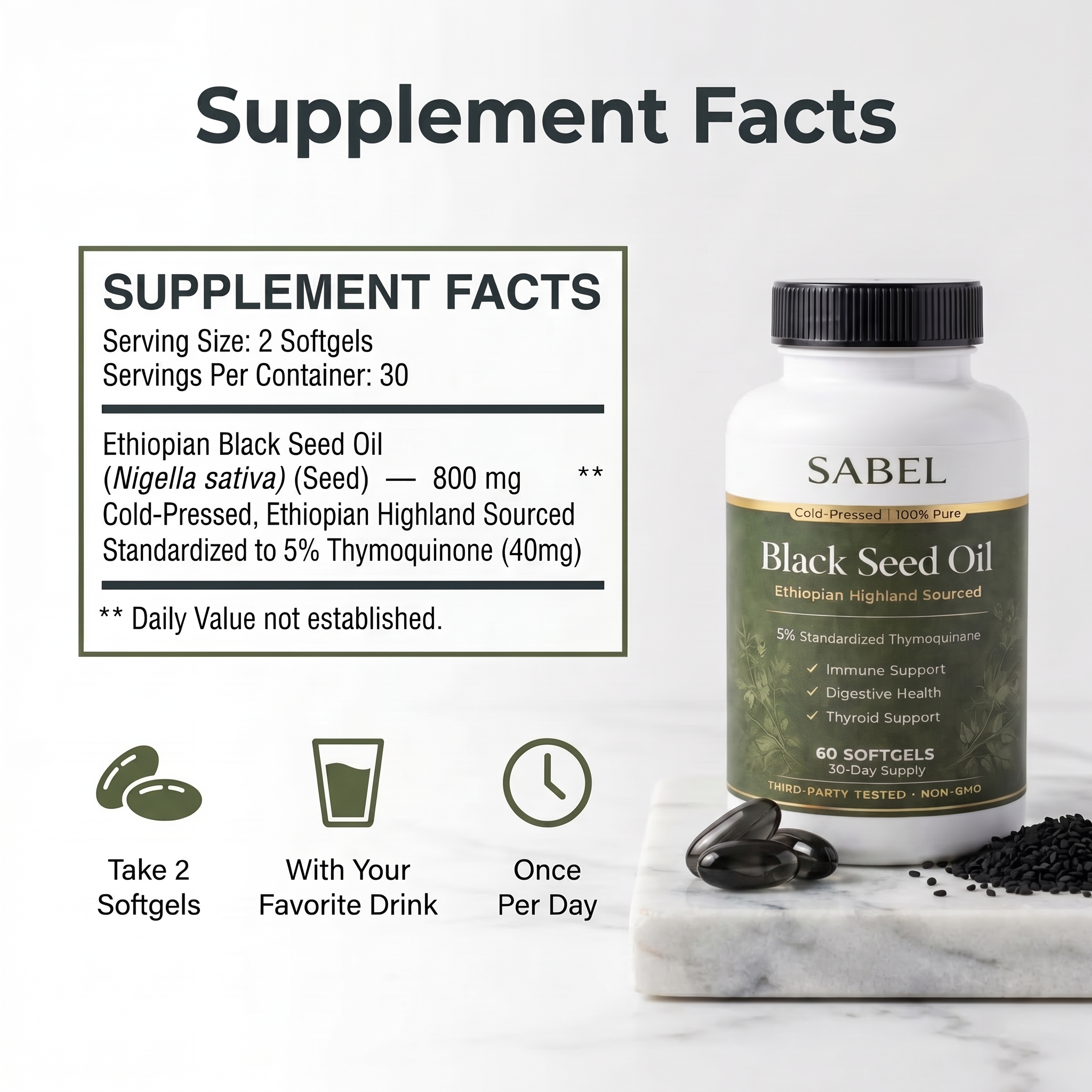
- Made for comfortable daily use, just two soft gels a night
How it works
How it works
Every doctor you have seen has treated this the same way: open the airway, thin the mucus, suppress the flare. And every time, you are back where you started by the next morning.
The problem is a cycle, and nothing you have been given touches it. COPD rewires the airway lining to grow far more mucus-making cells than it should have, and thickens the mucus itself into something that plugs rather than moves. At the same time it shortens and slows the cilia — the tiny hairs that sweep your lungs clean. More coming in, less going out.
- Rescue inhalers open the pipe for four to six hours. They do nothing about what is filling it.
- NAC thins the mucus that is already there. It does not slow the lining that makes it.
- Steroids suppress the flare — and the side effects are their own problem. Stop, and it rebounds.
Then the part nobody explains: the inflammation runs on its own. Damaged lung tissue keeps signalling the immune system to attack it, and that signalling keeps the lining over-producing. That is why so many people keep declining year after year no matter how carefully they follow the plan. And thick mucus physically blocks inhaled medication from reaching the airway wall — which is why so many people say their inhalers “stopped working.”
Sabel works on the cycle itself. Two soft gels absorb through your digestive system and travel in the bloodstream to lung tissue. Thymoquinone is the compound in black seed oil studied for calming exactly this kind of runaway inflammatory signalling — and in a 2020 placebo-controlled trial, people with COPD who added black seed oil to their usual medication for three months improved on airflow measures and inflammatory markers versus placebo. Heat-extracted drugstore oil carries as little as 0.5% of that compound. Ours is cold-pressed Ethiopian Highland seed, standardized to 5%, tested every batch.
It does not open the pipe for four hours. It works on the reason the pipe keeps filling.
Ethiopian Black Seed Oil
Twenty minutes of coughing before the day can start. Stairs one flight at a time. A chest that never quite empties, no matter how many puffs you take. Here’s what nobody tells you: your inhaler opens the airway. It does nothing about what keeps filling it.
Sabel is Ethiopian Highland black seed oil standardized to 5% thymoquinone — the oil studied in people with COPD, alongside their regular medication. Two soft gels a night.

Couldn't load pickup availability
30-Day Money Back Guarantee
Less than 1% of customers claim our 30-Day Money Back Guarantee.
WARNING: Low Stock Notice
Clinically Supported Benefits
Clinically Supported Benefits
Supported by published research on black seed oil and thymoquinone (Nigella sativa) — including a 2020 randomized, placebo-controlled trial in 100 people with COPD
- In that trial, taken alongside standard medication for three months, the black seed oil group improved on FEV1/FVC and peak expiratory flow — the two airflow measures doctors use
- Inflammatory markers (IL-6, TNF-α) fell and antioxidant markers rose versus placebo
- Studied for calming the inflammatory signalling that keeps the airway lining over-producing mucus
- Supports normal airway function and comfortable everyday breathing
- A mild, well-tolerated oil designed for consistent, long-term daily use — an addition to your routine, not a replacement for anything prescribed
- Standardized to 5% thymoquinone — verified by third-party testing on every batch
Al-Azzawi et al., 2020, Heliyon. Findings drawn from clinical research on genuine black seed oil, used regularly alongside prescribed treatment. Results vary by individual. Not intended to diagnose, treat, cure or prevent any disease.
Key ingredients
Key ingredients
Ethiopian Black Seed Oil (Nigella sativa)
- Grown at 8,000+ feet in the Ethiopian Highlands — not the diluted low-altitude crop
- A 12:1 concentrated liquid extract
- Every softgel provides the full standardized dose of Ethiopian black seed oil
- Naturally free of fillers. Safe to take every day, long-term
- Supports normal airway function and a calm inflammatory response
🌿 Cold-Pressed Oil, Not Powder
- Serves as a natural carrier to boost absorption
- Thymoquinone is naturally oil-soluble. Cold-pressing keeps it intact and gets it into your bloodstream effectively
- Enables the extract to be absorbed quickly rather than passing through without effect
- Easy on your digestive system. No harsh powders, no stomach upset
Softgel Delivery System
- Smooth softgels that go down easily
- No chalky powder capsules
- Made for comfortable daily use, just two soft gels a night
How it works
How it works
Every doctor you have seen has treated this the same way: open the airway, thin the mucus, suppress the flare. And every time, you are back where you started by the next morning.
The problem is a cycle, and nothing you have been given touches it. COPD rewires the airway lining to grow far more mucus-making cells than it should have, and thickens the mucus itself into something that plugs rather than moves. At the same time it shortens and slows the cilia — the tiny hairs that sweep your lungs clean. More coming in, less going out.
- Rescue inhalers open the pipe for four to six hours. They do nothing about what is filling it.
- NAC thins the mucus that is already there. It does not slow the lining that makes it.
- Steroids suppress the flare — and the side effects are their own problem. Stop, and it rebounds.
Then the part nobody explains: the inflammation runs on its own. Damaged lung tissue keeps signalling the immune system to attack it, and that signalling keeps the lining over-producing. That is why so many people keep declining year after year no matter how carefully they follow the plan. And thick mucus physically blocks inhaled medication from reaching the airway wall — which is why so many people say their inhalers “stopped working.”
Sabel works on the cycle itself. Two soft gels absorb through your digestive system and travel in the bloodstream to lung tissue. Thymoquinone is the compound in black seed oil studied for calming exactly this kind of runaway inflammatory signalling — and in a 2020 placebo-controlled trial, people with COPD who added black seed oil to their usual medication for three months improved on airflow measures and inflammatory markers versus placebo. Heat-extracted drugstore oil carries as little as 0.5% of that compound. Ours is cold-pressed Ethiopian Highland seed, standardized to 5%, tested every batch.
It does not open the pipe for four hours. It works on the reason the pipe keeps filling.
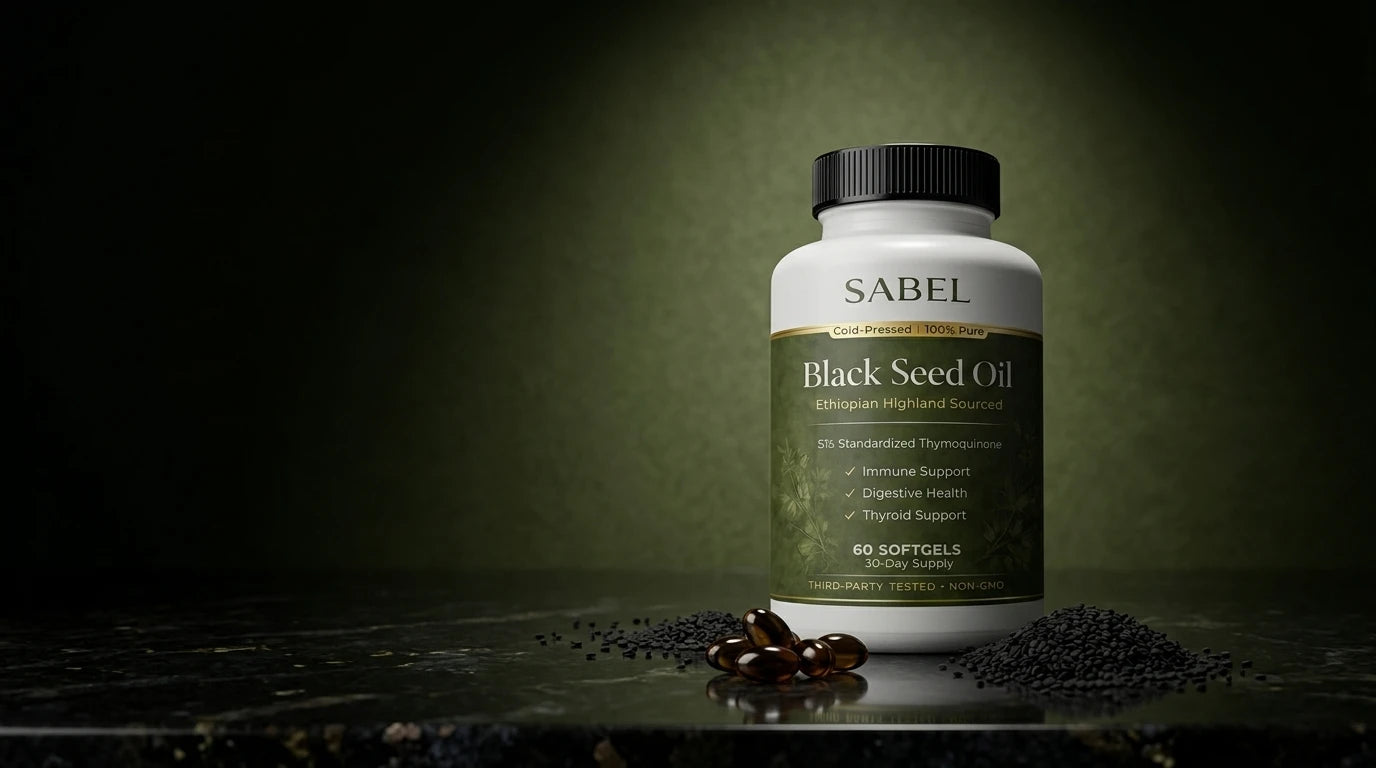
Why Trust Sabel Life


If your mornings start with a fight
You Know Every One Of These.
They call it COPD. You call it not being able to breathe like you used to. Either way, it runs your mornings, your stairs and your sleep.
The Twenty-Minute Morning
You hack for twenty minutes just to function.
Mucus pools in your lungs overnight. By morning there is a backlog of thick, dark, rubbery stuff, and the coughing is your body trying to shift something that does not want to move.
The Stairs
You stop halfway. You tell yourself it’s your knees.
One flight, then a rest. The mailbox, then a rest. At the top you sit on the bed until your chest catches up. It came on slowly enough that you stopped noticing how much you have given up.
Coughing Fits In Public
At church. At dinner. At your grandson’s game.
People stare. Since COVID they assume you are contagious. So you stop going, and you tell yourself it is because you are tired.
Sleeping Propped Up
You haven’t slept flat in years.
Lie flat and it feels like drowning. So you sleep on three pillows, or in the recliner, and you are still up at 2am gasping for air.
The Chest That Never Empties
The gurgling. The bag-of-rocks sound. It never stops.
A heaviness that sits there all day and makes showering, carrying the groceries and a full sentence feel like more work than they should.
The Inhaler That Stopped Working
You’ve been through six of them. It’s like inhaling air.
Your doctor keeps adding to the pile. Each one works for a while, then less. You are not treating anything. You are buying a few hours at a time.
Two in three people with COPD say they blame themselves. But you are doing everything you were told — and your lungs are still getting worse. That is not a willpower problem. It is a cycle that runs on its own now, and everything you have been given was aimed at the symptoms.
5 Reasons
Why Everything They Gave You Only Lasts Hours
Every one of these does something real. Not one of them was built to touch the cycle that keeps your lungs producing it.
01
You Started On A Rescue Inhaler
Albuterol opens the airway for four to six hours. That is all it claims to do. Use it more and your receptors get used to it, so each puff does less — and it never touched the mucus in the first place.
02
They Added A Maintenance Inhaler
Symbicort, Advair, the next one. A steroid plus a bronchodilator, every day. Thrush, hoarseness — and still the mucus. Worse, thick mucus physically blocks inhaled medication from reaching the airway wall. That is why it feels like inhaling air.
03
You Did A Round Of Prednisone
It suppresses the flare, and it works — for a while. Then the side effects. Then you stop, and it rebounds worse than where you started. Nobody wants to live on it, and nobody should.
04
You Tried NAC
N-acetylcysteine is the supplement everyone in the COPD forums has tried, and it does thin mucus. That is worth something. But NAC thins what is already there. It does nothing about the lining that keeps making it, or the inflammation driving that lining.
05
You Bought The “Lung Cleanse”
Mullein, eucalyptus steam, the Amazon capsule with elderberry and quercetin. Gentle, traditional, and for an hour you feel a bit clearer. Not one of them is built around the compound with a placebo-controlled trial behind it in people with COPD.
How Sabel Works
Calm It. Clear It. Keep It Clear.
Three things have to happen before your lungs stop running your mornings, and only one of them is about the mucus.
Turn Down The Cycle
COPD sets off an inflammatory loop in lung tissue that runs on its own. Thymoquinone is the compound in black seed oil studied for calming exactly that signalling — IL-6, TNF-α, the messengers that keep the lining over-producing.
Less To Shift In The First Place
A calmer lining produces less, and less of it is the thick, plugging kind. What is already there finally moves instead of being replaced as fast as you can cough it up — which is why the mornings change before anything else does.
Every Night, Not Every Four Hours
Two soft gels a night, taken daily, alongside whatever your doctor has you on. No four-hour clock and no rebound. Nothing is taken away — this is added to the routine, not swapped in for your inhaler.
What Actually Changes
Mornings Now vs. Mornings Later
You do not notice it in a dramatic moment. You notice it in what stops happening.
The Part Nobody Explains
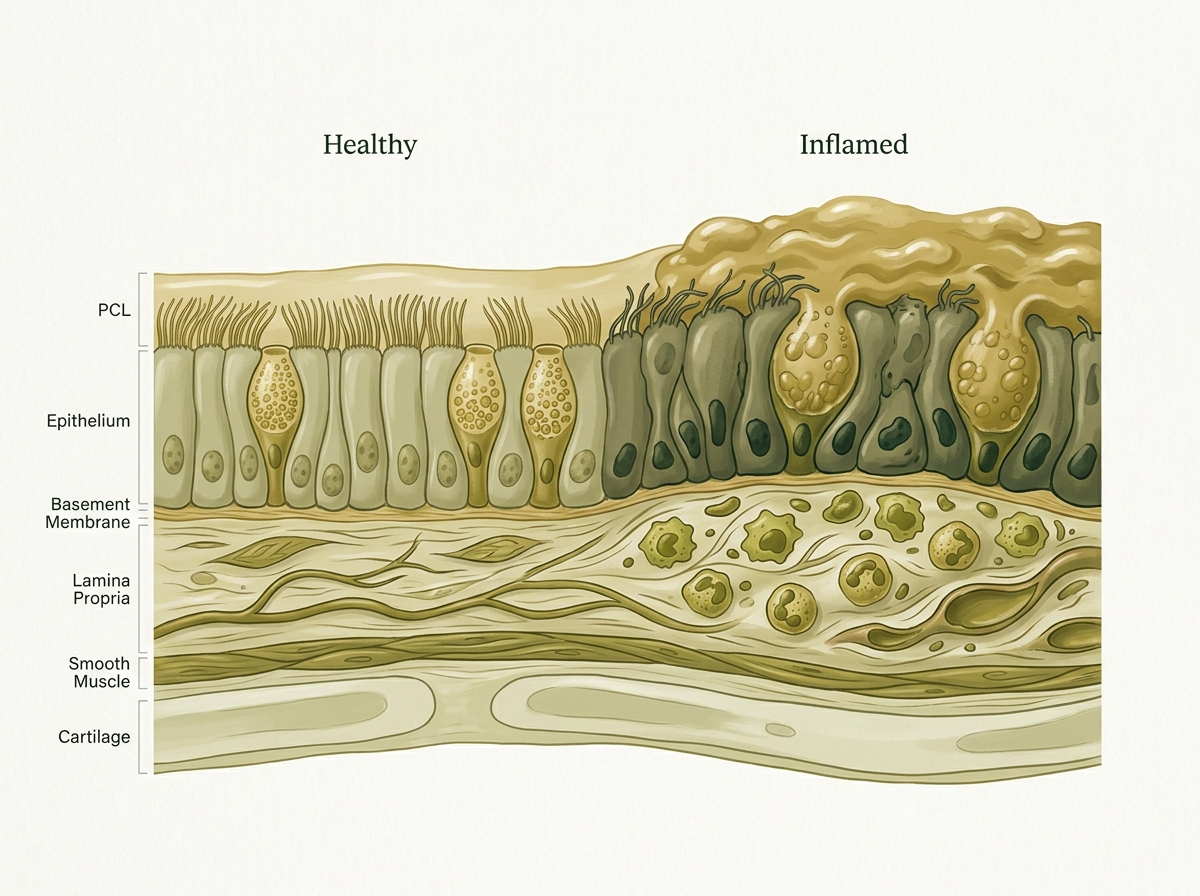
Your Inhaler Treats The Symptom. Not The Cycle.
Damaged lung tissue keeps triggering the immune system to attack it — a loop that runs on its own, day and night. It is why so many people keep losing lung function year after year while doing everything they were told. You followed the plan. The cycle did not care.
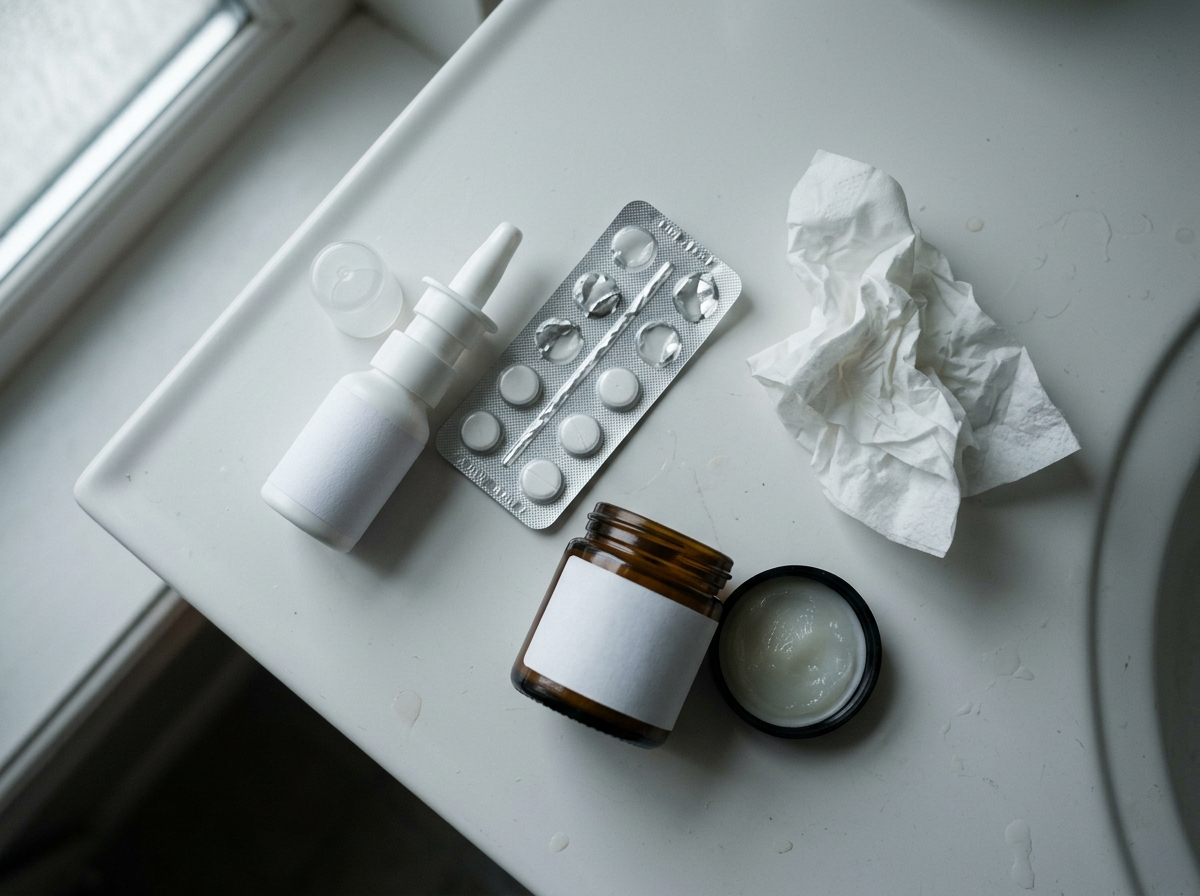
Why Your Inhaler Stopped Working
Two reasons, and both are real. Your receptors get used to albuterol, so each puff does less. And the mucus itself is now thick enough to physically block inhaled medicine from reaching the airway wall. The drug is not failing. It cannot get through.
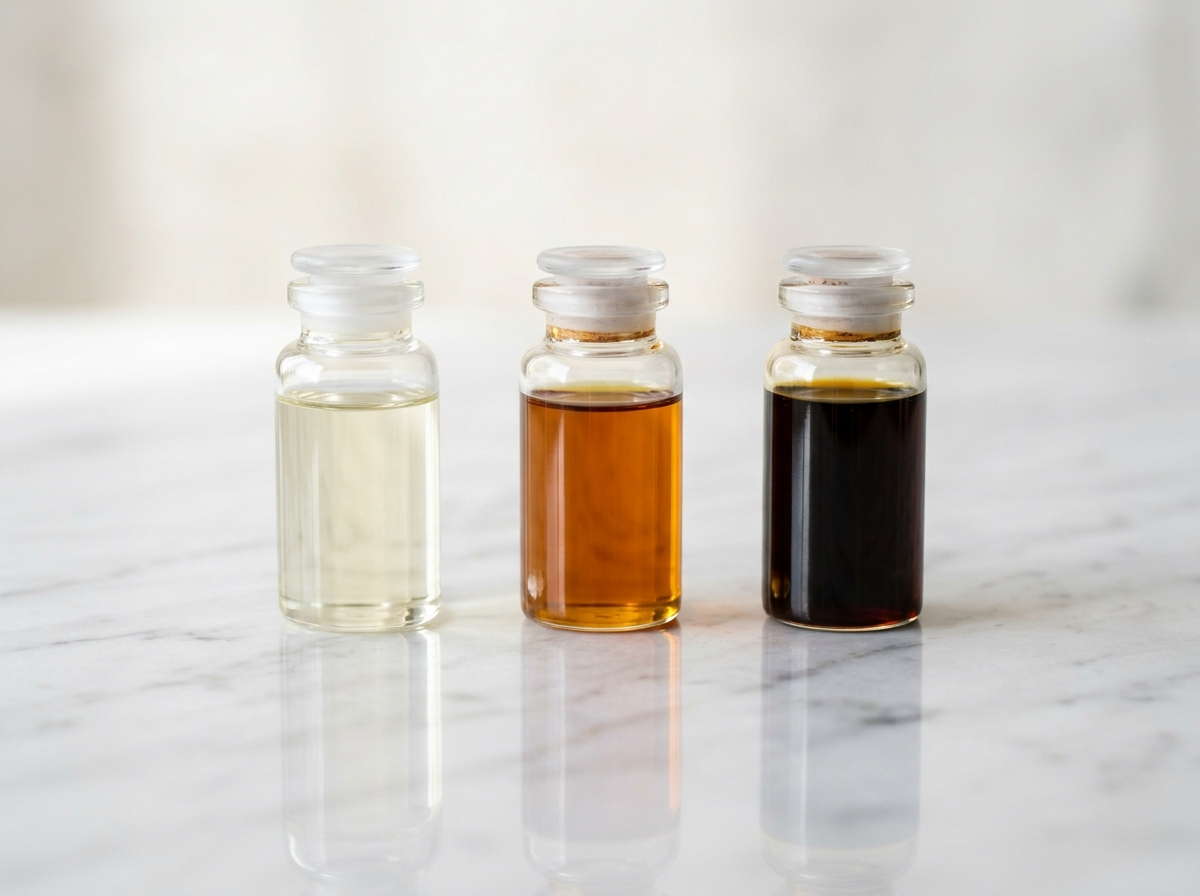
NAC Thins. It Does Not Fix Why.
NAC breaks the bonds in mucus so it moves easier — that is all it does. Thymoquinone works upstream: studied for calming the inflammatory signalling, supporting antioxidant defences in lung tissue and relaxing airway smooth muscle. Thinning what is there versus turning down what makes it. Many people take both.
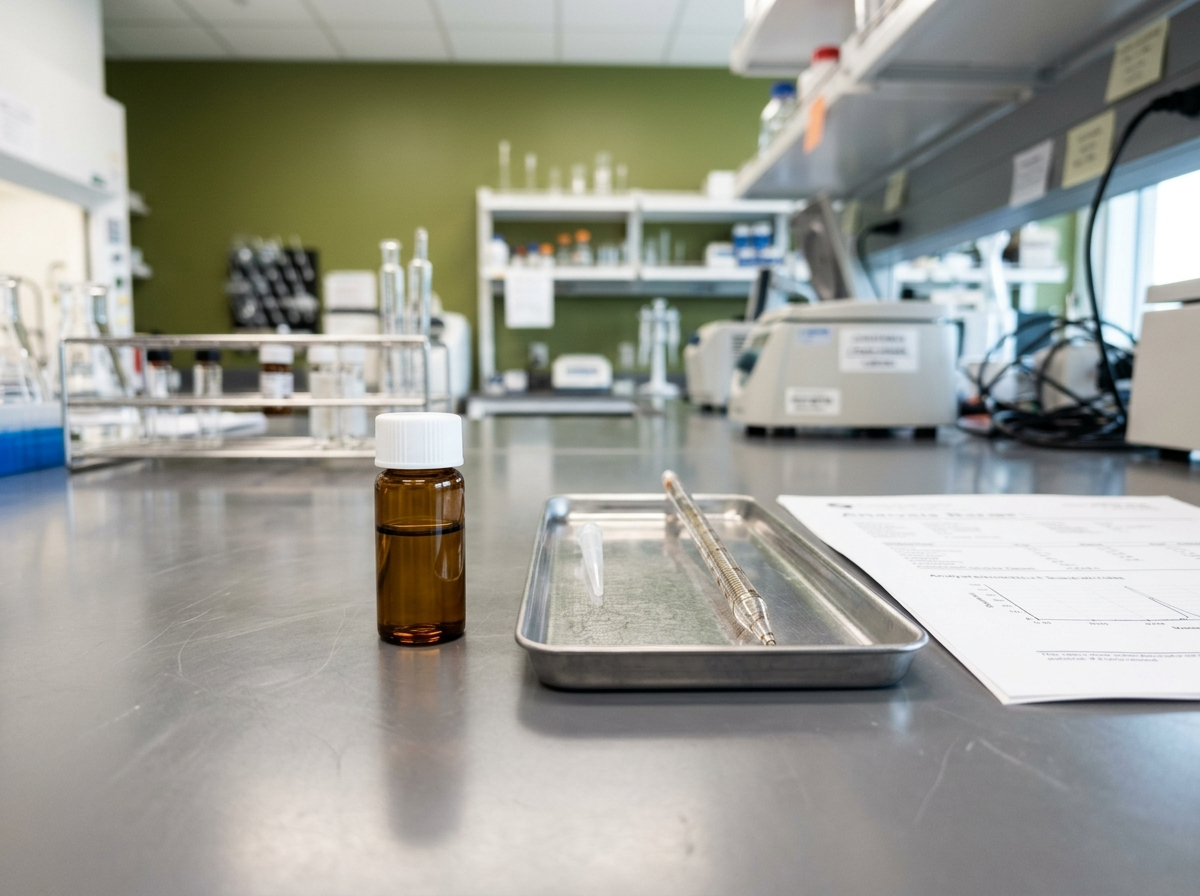
Why Cheap Black Seed Oil Did Nothing
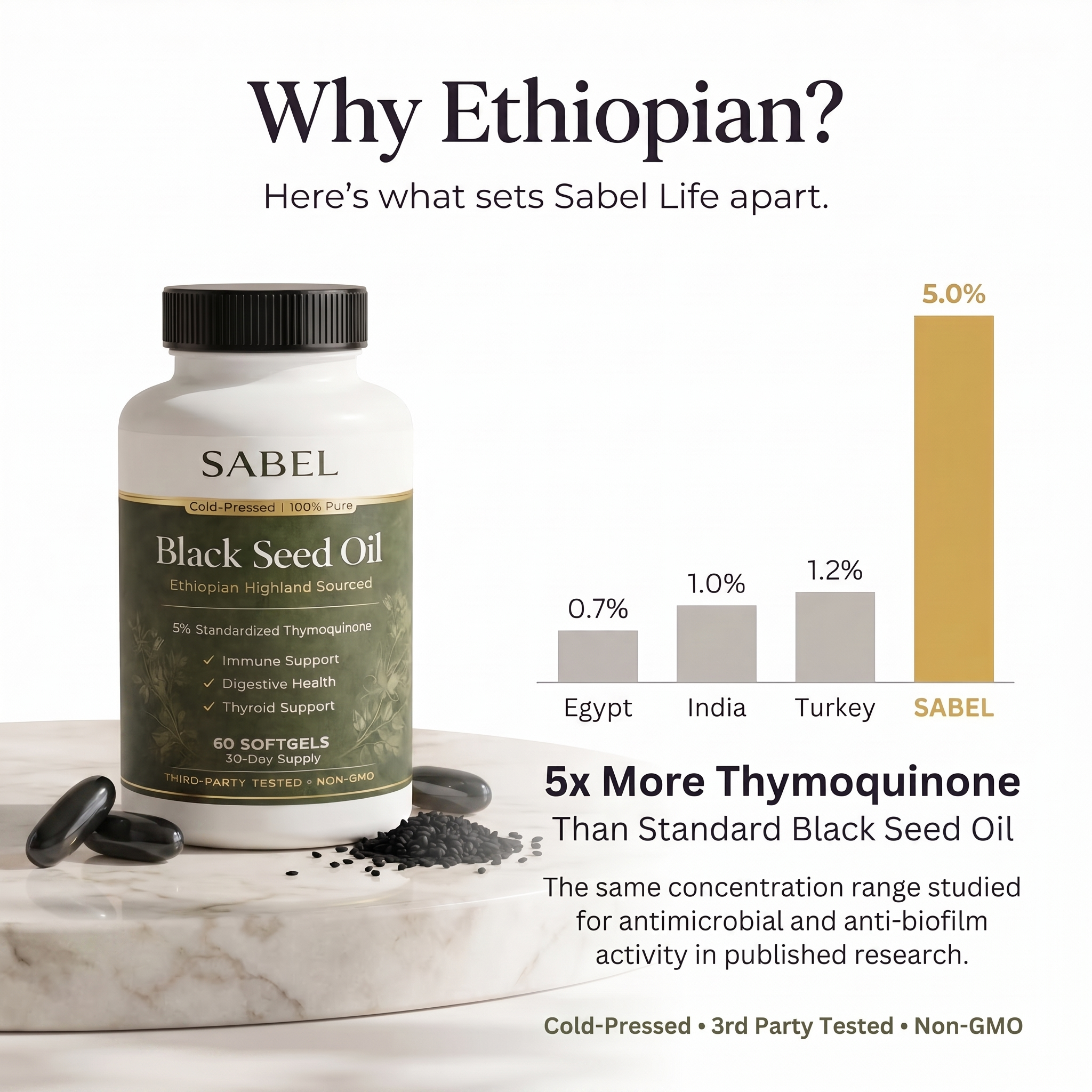
If you have tried black seed oil before and felt nothing, this is probably why. Most of it on the shelf tests between 0.5% and 1.2% thymoquinone. Sabel is grown at 8,000+ feet in the Ethiopian Highlands, cold-pressed, standardized to 5%, and every batch is verified by an independent lab — so the potency on the label is the potency in the soft gel.
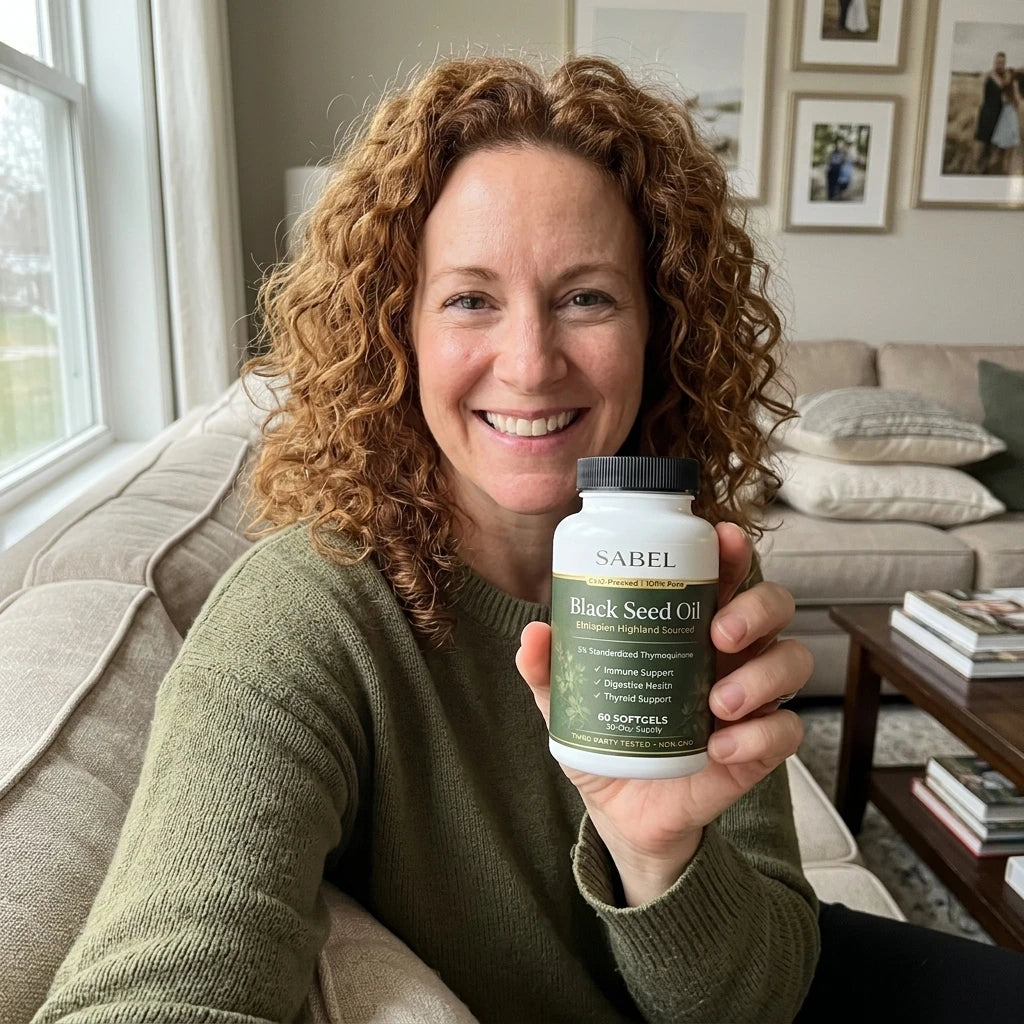
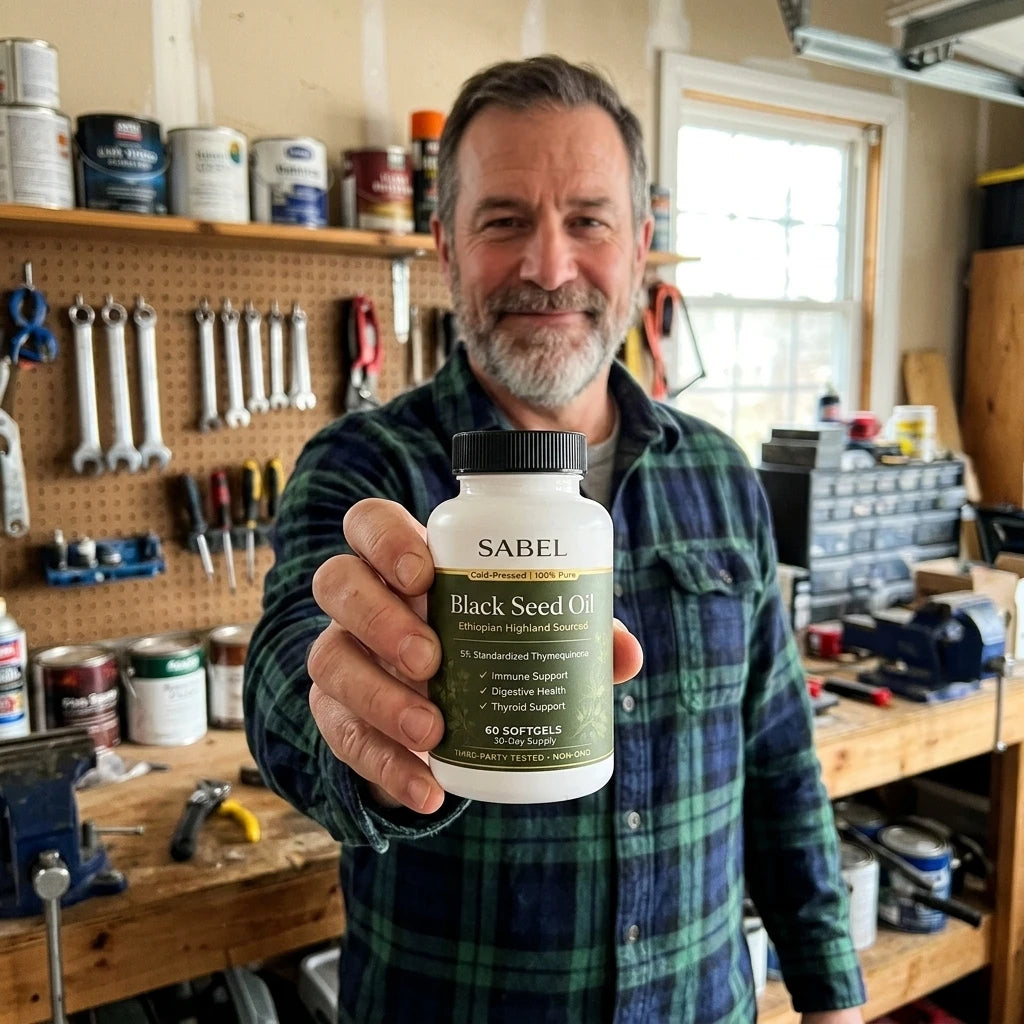

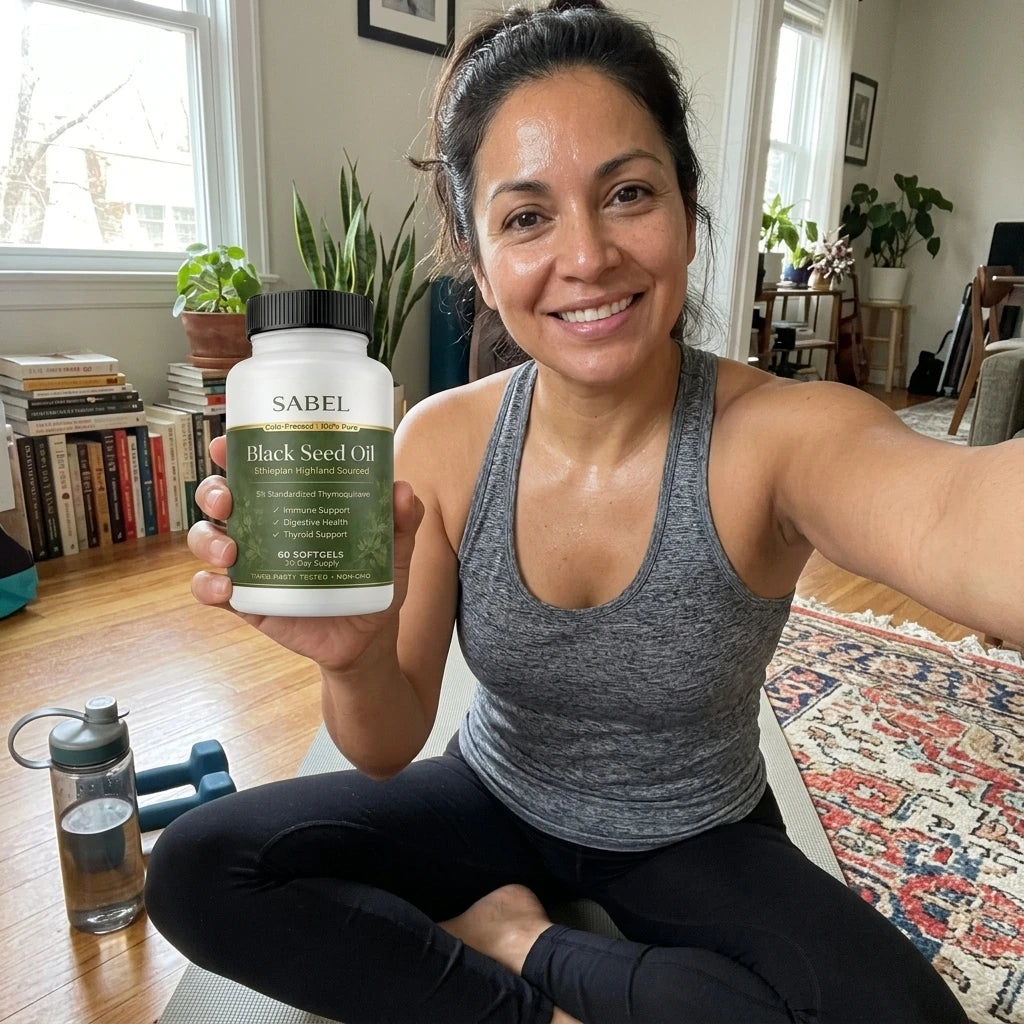
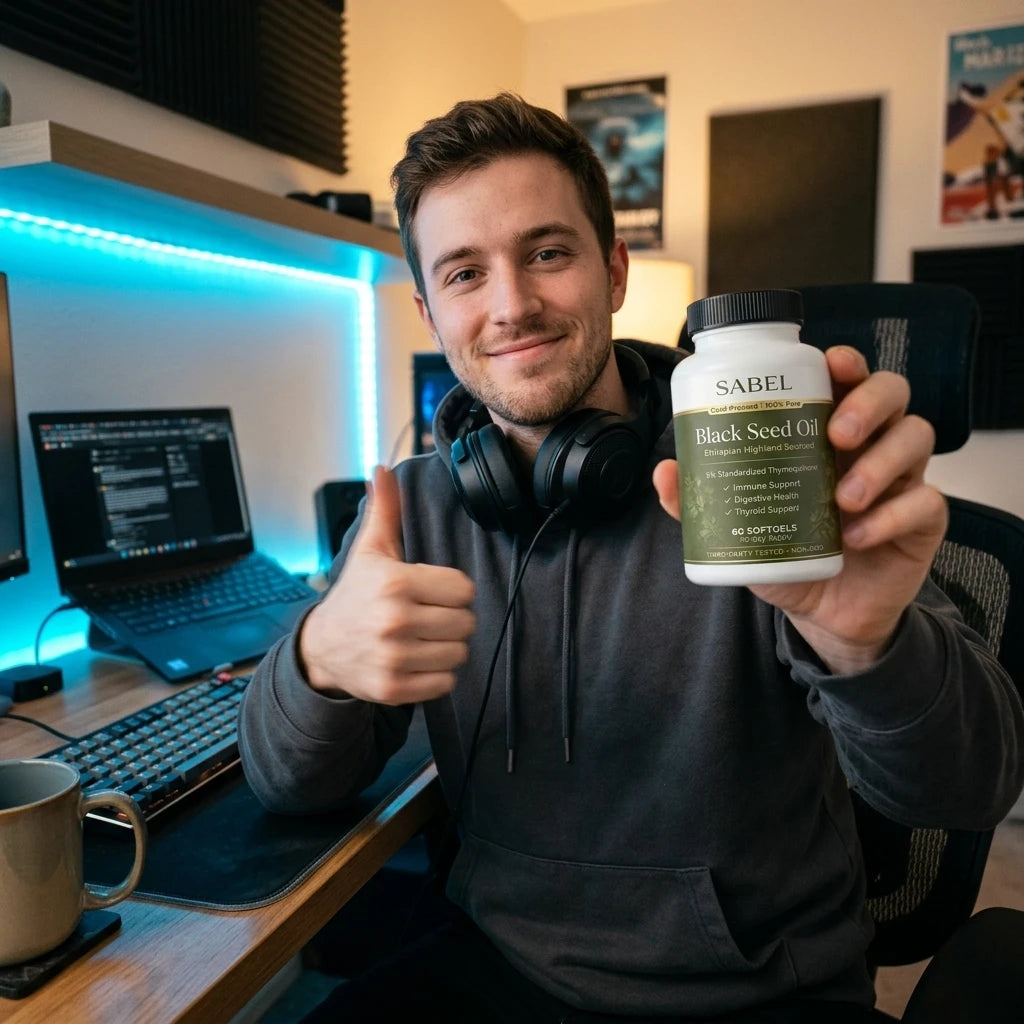
Diagnosed In 2014. Still Getting Worse.
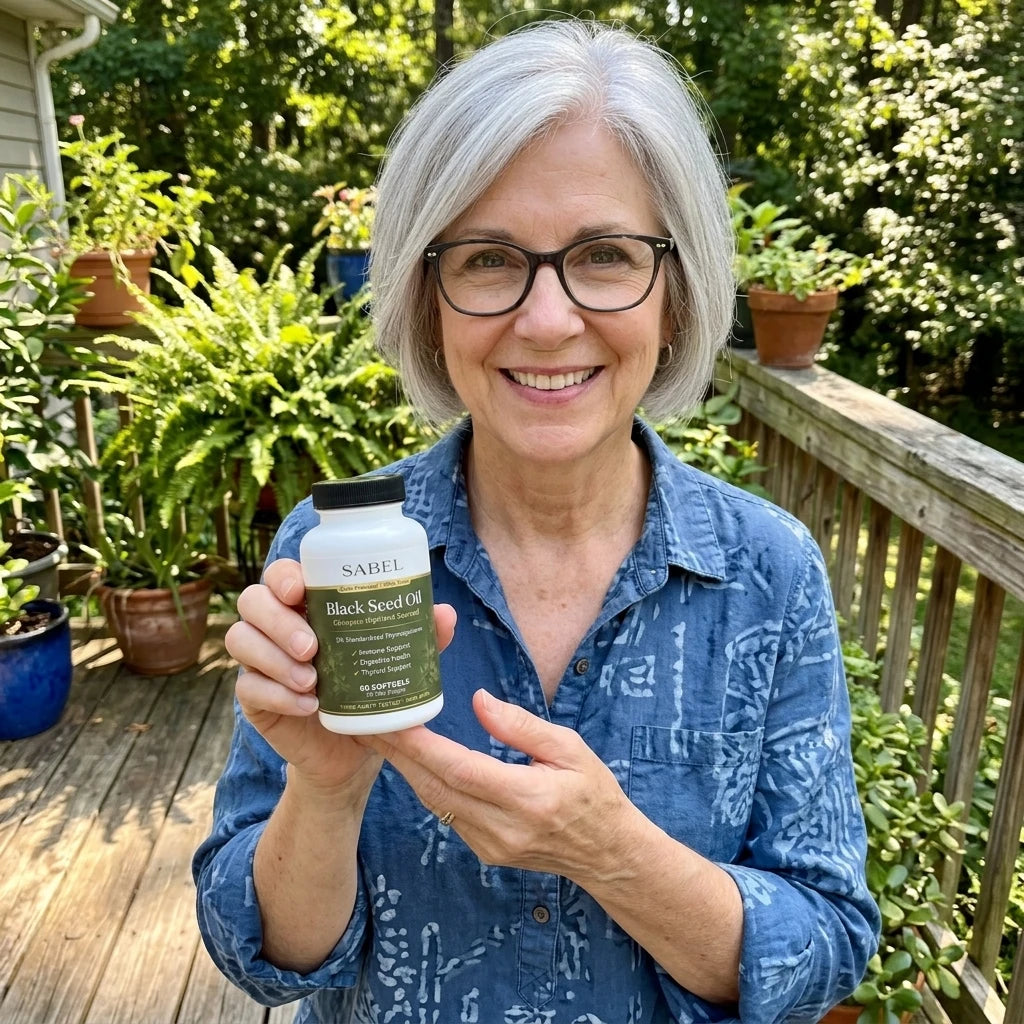
Twelve years since the diagnosis and every year was worse than the last. Doctor just kept adding inhalers. About six weeks in on these, my wife said she had not heard me hacking at 5am in a while. I had not noticed. She had.
Tom P.
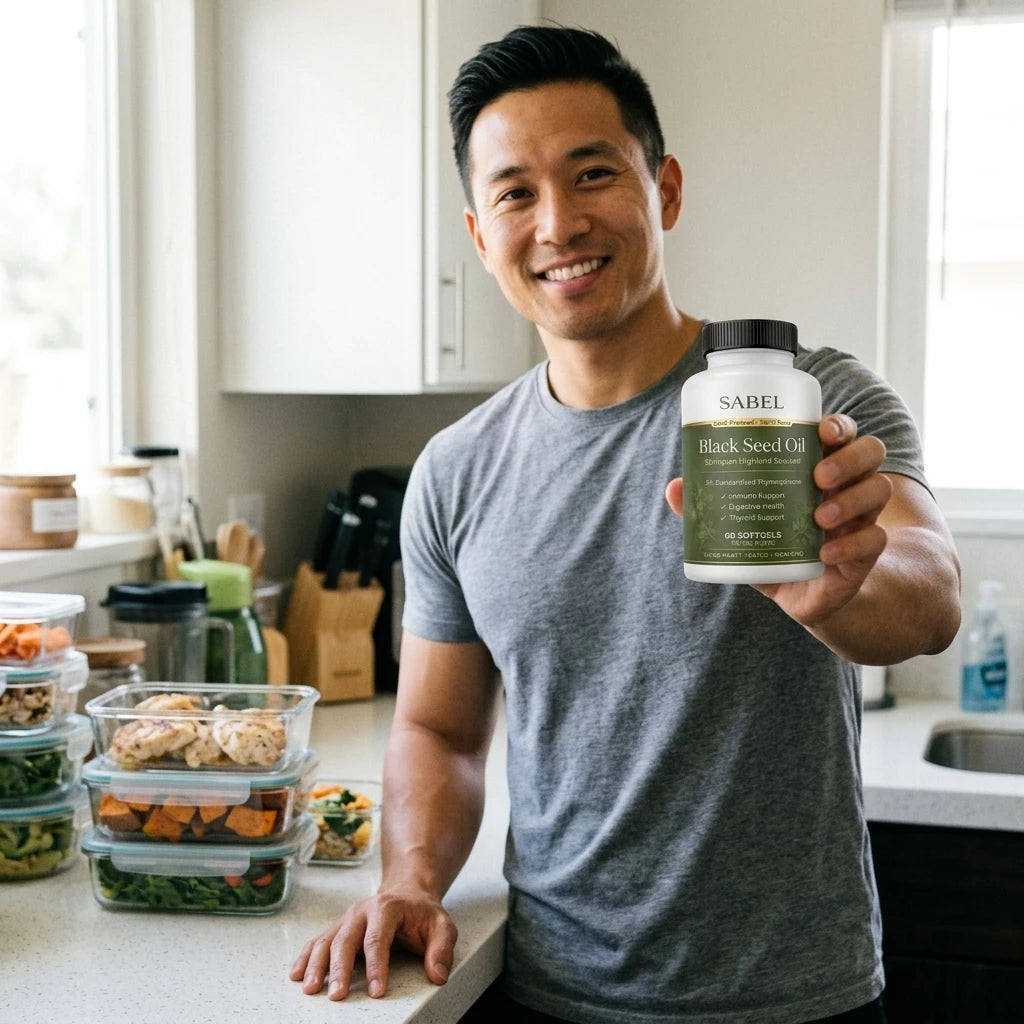
I Was Coughing Up Sheets Of It
Dark, thick, rubbery stuff every single morning — like it had been in there for years. NAC helped a bit. This is the first thing where there was just less of it to bring up. Not gone. Less. That is a different morning.
Raymond K.
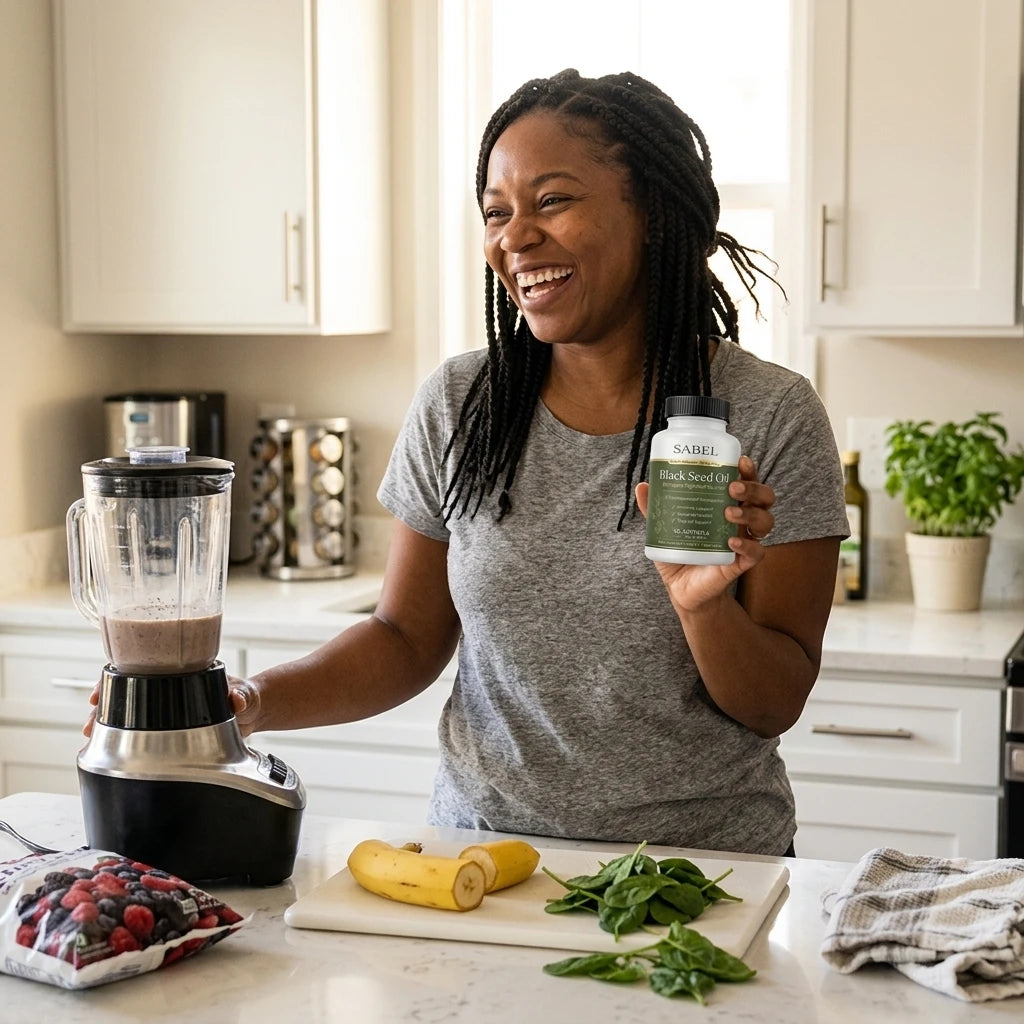
The Stairs
I am 68. I had got to where I sat on the bed at the top of the stairs to catch my breath, every time. I still take them slow. But I am not sitting down at the top anymore, and I noticed that before anything else.
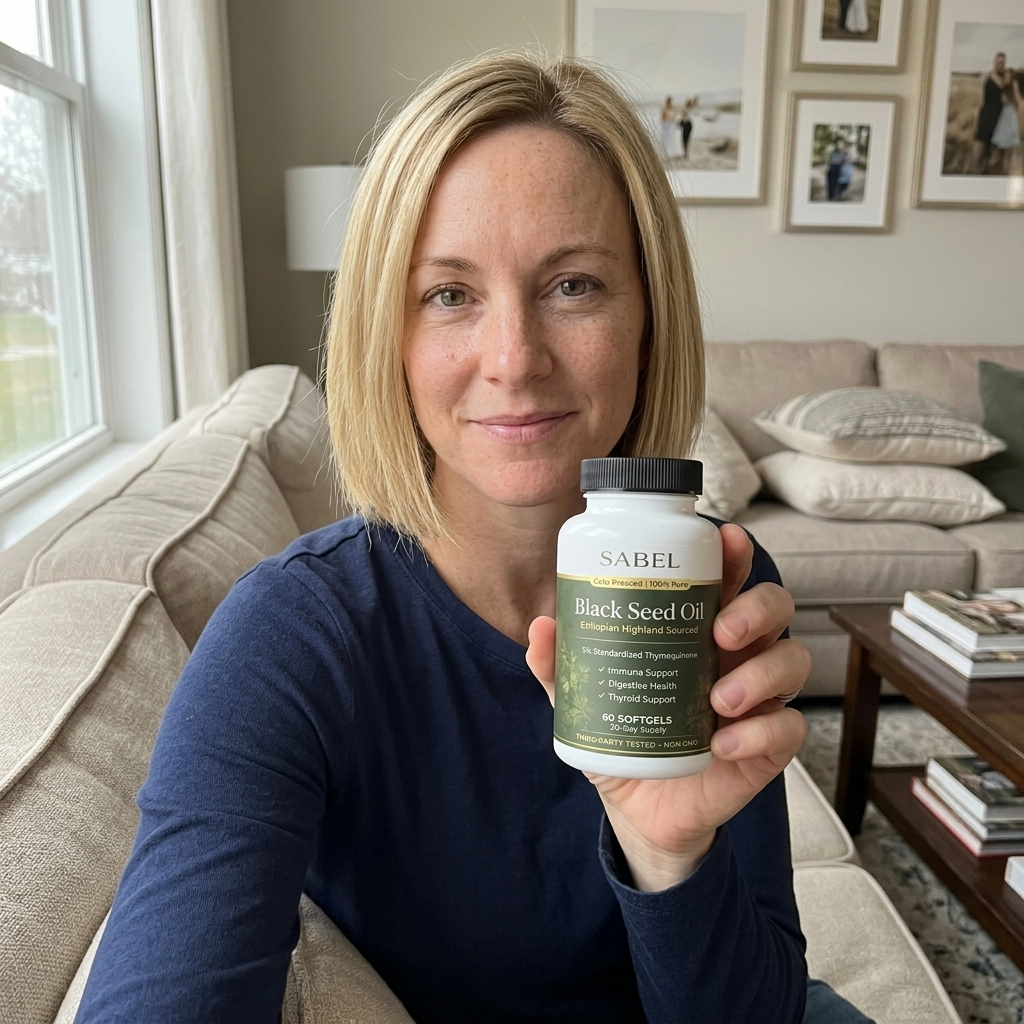 Elaine T.
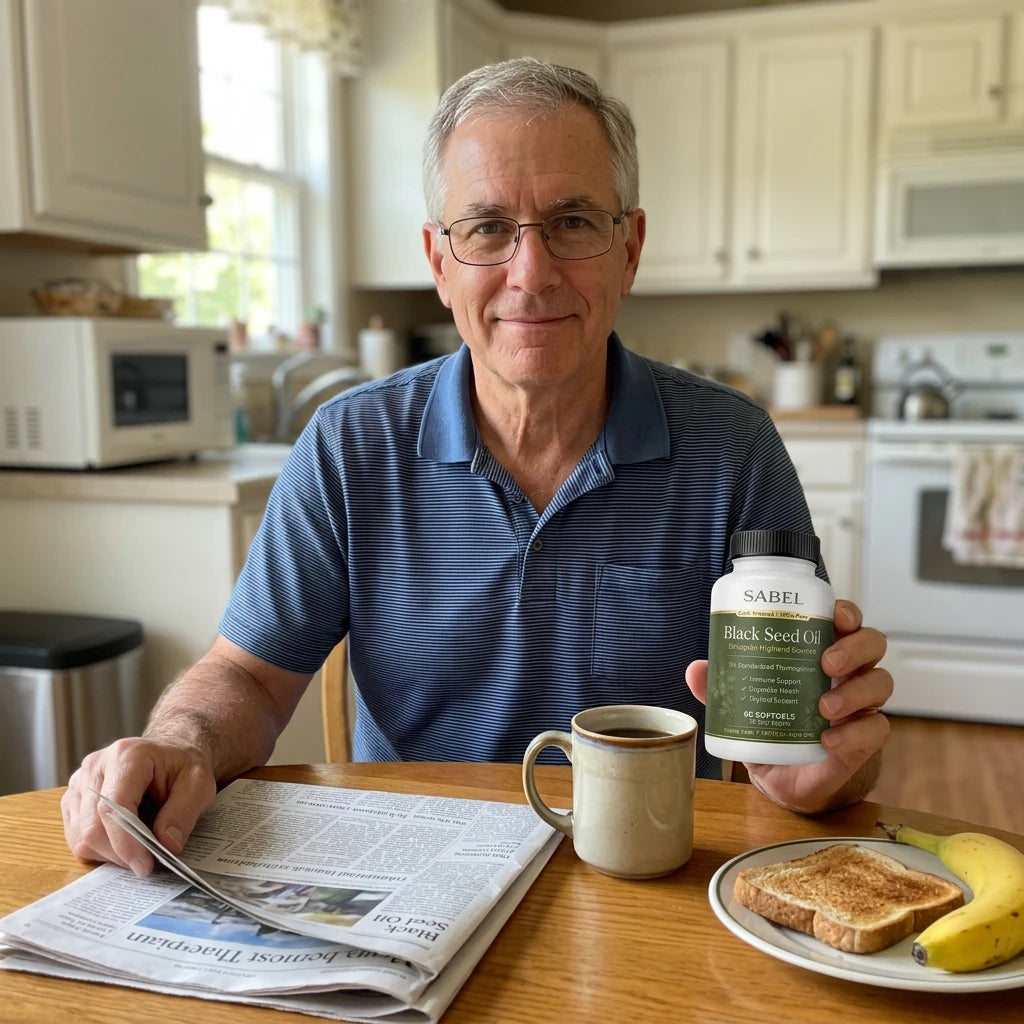
Doctor Just Kept Adding Inhalers
Six different ones. The last two felt like inhaling air. I have not stopped any of them, I want to be clear about that. But I reach for the rescue one a lot less than I did, and I am not counting down to the next dose.
Dave R.
First Church Service In A Year
I stopped going because of the coughing fits. People stare. Two months on this and I went back for Easter and sat through the whole service. I am not saying it is a miracle. I am saying I went.
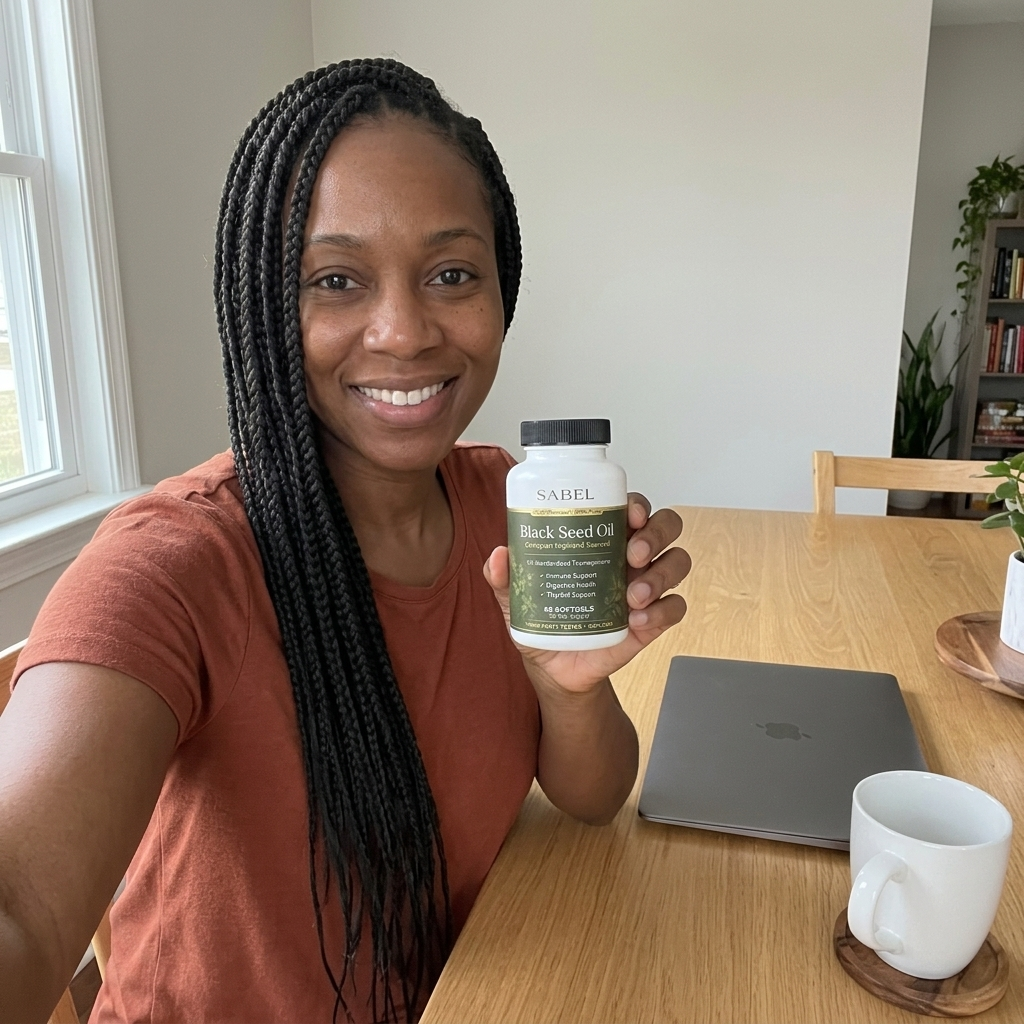 Carol B.
Down From Three Pillows
I have not slept flat in years. Lying down felt like drowning. I am not flat yet, but I am down to one pillow most nights, and I am not up at 2am gasping like I was.
Michael H.
Your lungs deserve more than another inhaler on the pile. Ethiopian Black Seed Oil supports normal airway function and a calm inflammatory response — cold-pressed, standardized to 5% thymoquinone, and the oil that was studied in people with COPD alongside their regular medication.

Airway & Lung Support
Works on what an inhaler cannot
Thymoquinone is black seed oil’s most-studied compound — and black seed oil was tested in a 2020 placebo-controlled trial of 100 people with COPD, where airflow measures and inflammatory markers improved versus placebo. Potency is what separates one oil from another, and most brands never tell you theirs.
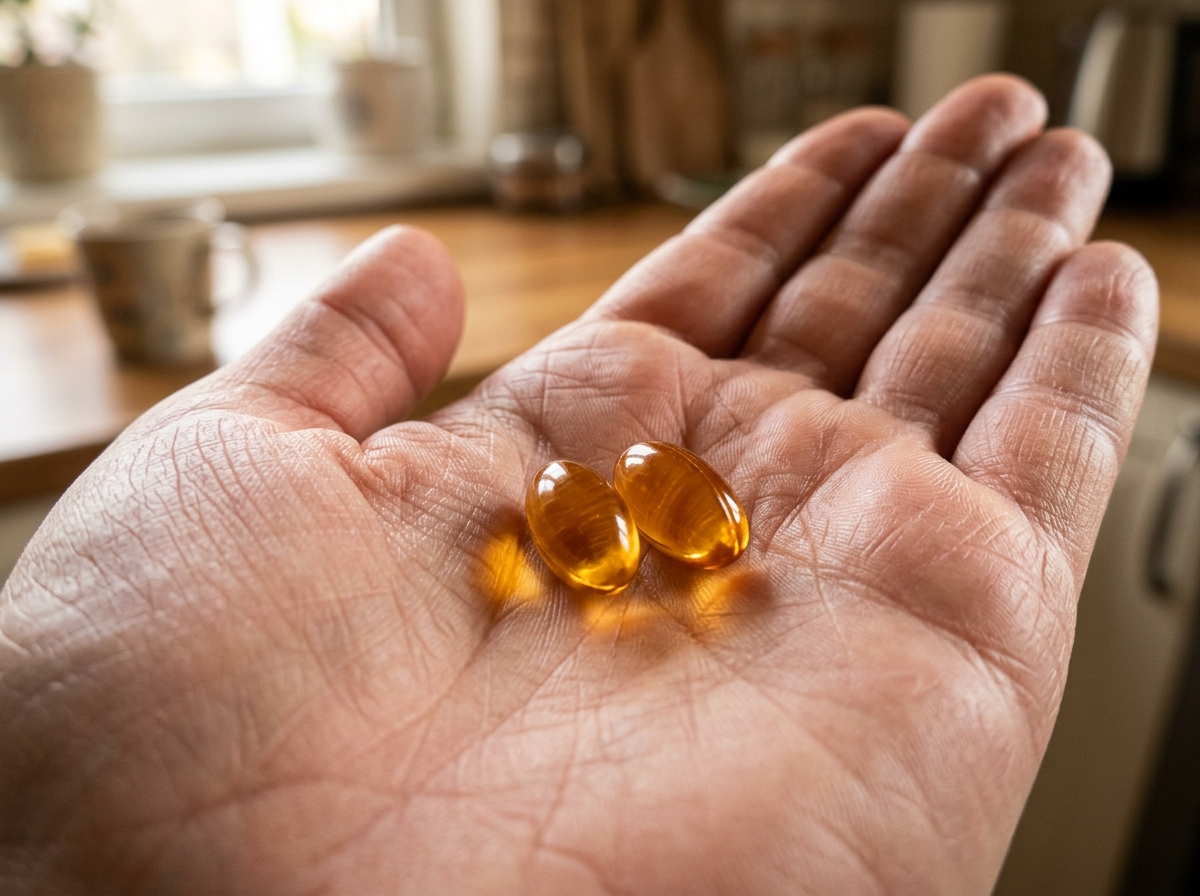
Gentle on the Stomach
Designed for comfortable daily use
Sabel is a smooth cold-pressed oil in a soft gel. No harsh burn, no sting, no stomach irritation and no aftertaste hours later.

Supports A Calm Inflammatory Response
Gentle enough for every night
This is about what you can keep doing, not a two-week blitz. Black seed oil is gentle enough for daily, long-term use alongside your prescribed treatment — and it works best that way.
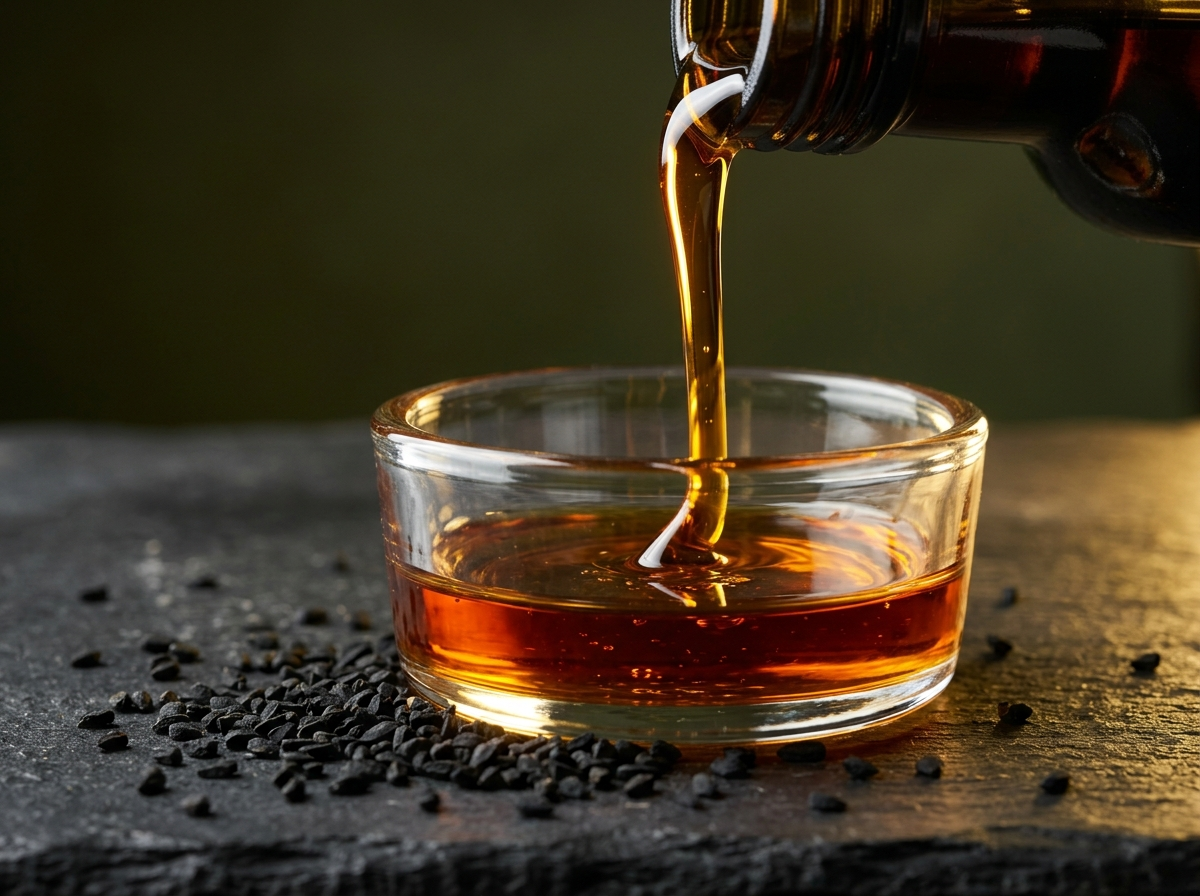
Enhanced Absorption
Cold-pressed for full potency
Heat destroys thymoquinone. Cold-pressing preserves the full 5% concentration, so what reaches you is the potency on the label.
 Zero additives
 GMO-Free
 Gluten-Free
Zero additives
GMO-Free
Gluten-Free
Zero additives
GMO-Free
Gluten-Free
Zero additives
GMO-Free
Gluten-Free
Zero additives
GMO-Free
Gluten-Free
Gluten-Free
Zero additives
GMO-Free
Gluten-Free
Zero additives
GMO-Free
Gluten-Free
Zero additives
GMO-Free
Gluten-Free
Zero additives
GMO-Free
Gluten-Free
Your first 90 days
What This Actually Looks Like
No loading dose, no first-night effect. Here is the honest version of how it goes, including the part where nothing happens.
Nothing Dramatic Yet
What’s happening
Thymoquinone starts arriving daily. There is no loading dose and nothing designed to hit on night one — this works by accumulating, not by spiking.
What you notice
Honestly, not much. This is where most people quit a supplement. It is also the only part of the plan that asks nothing of you except not stopping — and keeping every inhaler exactly as prescribed.
The Mornings Shorten
What’s happening
With thymoquinone in daily, the inflammatory signalling in the lining has less driving it. Less irritation overnight means less produced by morning, and less of the thick kind.
What you notice
Almost always the first thing people report. The twenty-minute hacking routine becomes ten, then five. What comes up is thinner and there is less of it.
It Stops Being A Routine
What’s happening
Consistency matters more than dose here. The effect is cumulative rather than something you feel arriving each night.
What you notice
The stairs in one go. Fewer reaches for the rescue inhaler. Some people notice they are sleeping a pillow lower than they were.
Through The Winter
What’s happening
Nothing to cycle off and no rebound to manage. Gentle enough to take every night, indefinitely.
What you notice
The real test is winter — the season that usually means a flare, a round of prednisone and a week in bed. Three months is also how long the trial ran before it measured a difference.
From a 2020 placebo-controlled trial
What The Numbers Showed
One hundred people with COPD. Black seed oil added to their usual medication, or a placebo. Three months. Here is what was measured.
People with COPD in the randomized, double-blind, placebo-controlled trial*
Twelve weeks, alongside their usual inhalers. Nothing was taken away — black seed oil was added*
FEV1/FVC after three months, up from 68.7% — the airflow ratio doctors use to stage COPD*
Peak expiratory flow score after three months, up from 53.3 — how hard you can push air out*
*Al-Azzawi et al., 2020, Heliyon. Randomized, double-blind, placebo-controlled trial of black seed oil capsules added to standard COPD medication. The trial used black seed oil, not Sabel specifically. Individual results vary. Not a substitute for prescribed treatment.
Sabel Black Seed Oil is Different From Everything You've Tried
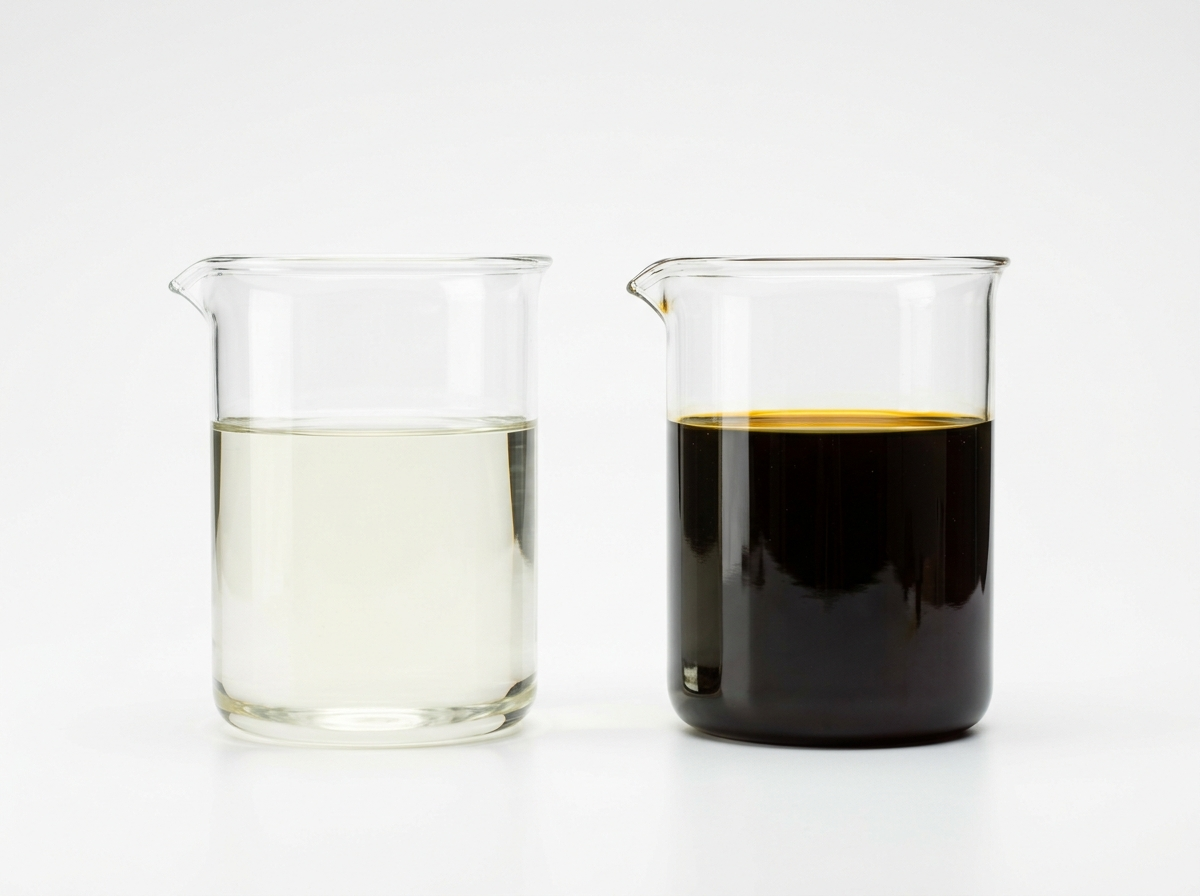
5% Thymoquinone — Up To 10X Stronger
Most black seed oil on the shelf tests between 0.5% and 1.2% thymoquinone. Sabel is standardized to 5% — up to 10X more of the compound the research is actually about.
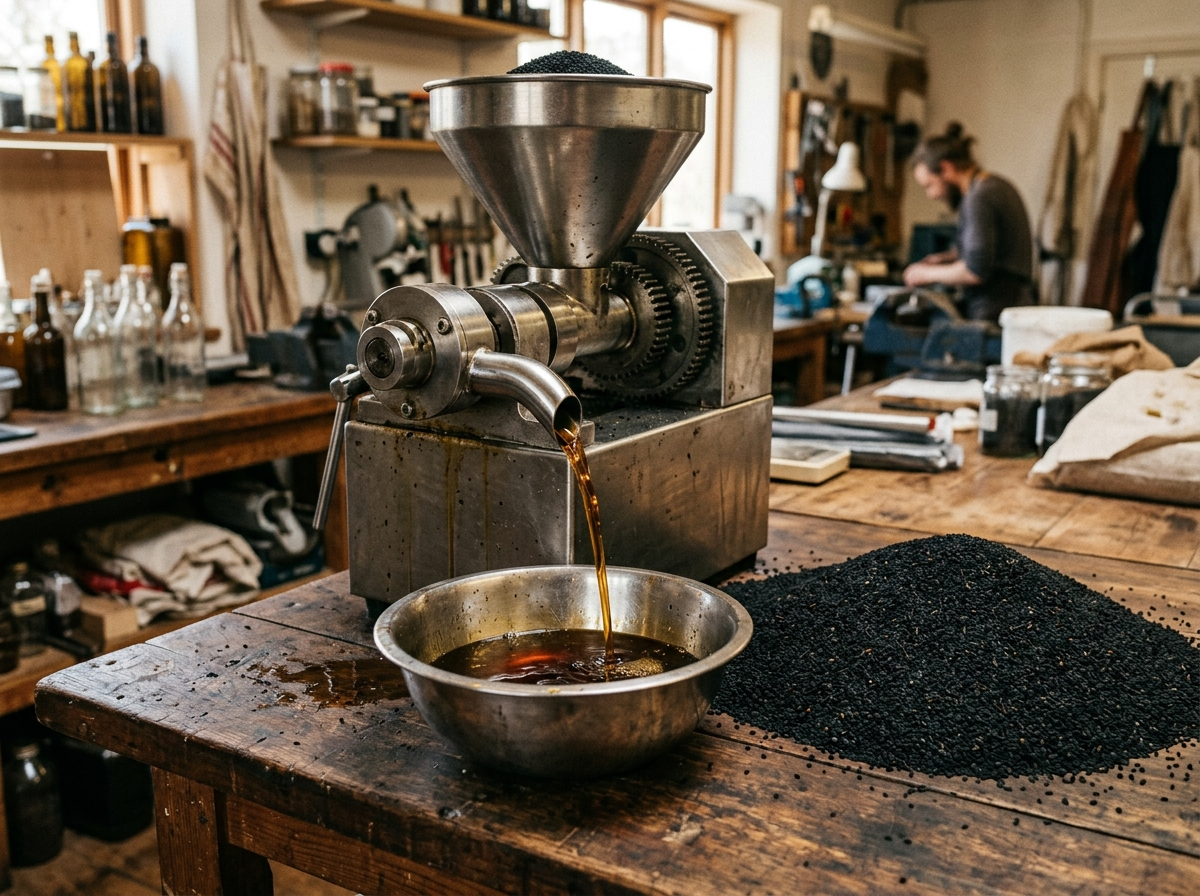
Cold-Pressed, Never Diluted
Heat-processed oils lose their active compounds before the bottle is ever sealed. Sabel is cold-pressed from Ethiopian Highland Nigella sativa, so the full 5% thymoquinone arrives intact.
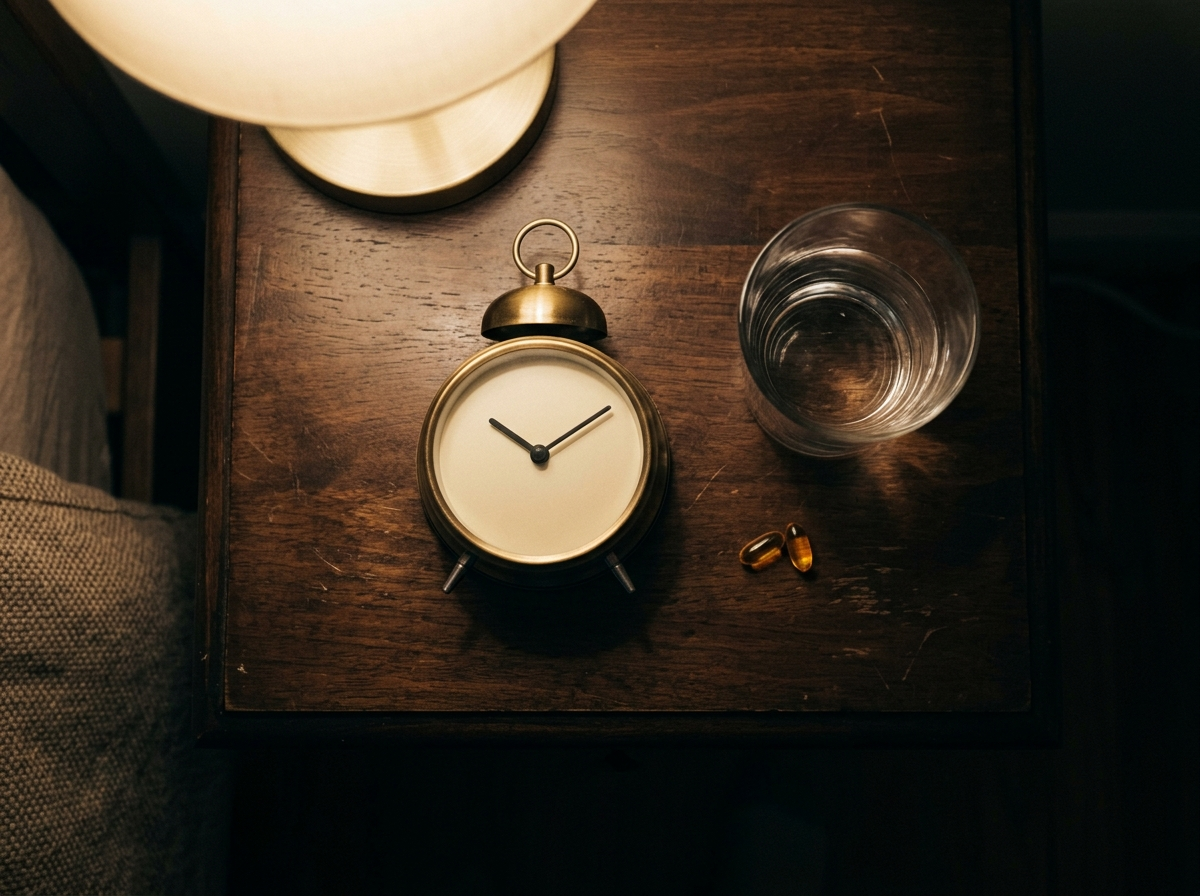
Works Daily, Not For Four Hours
A rescue inhaler buys you four hours and a steroid course rebounds when you stop. Two soft gels are absorbed and carried through the bloodstream to lung tissue itself — every night, alongside your prescribed treatment, with no rebound and no four-hour clock.
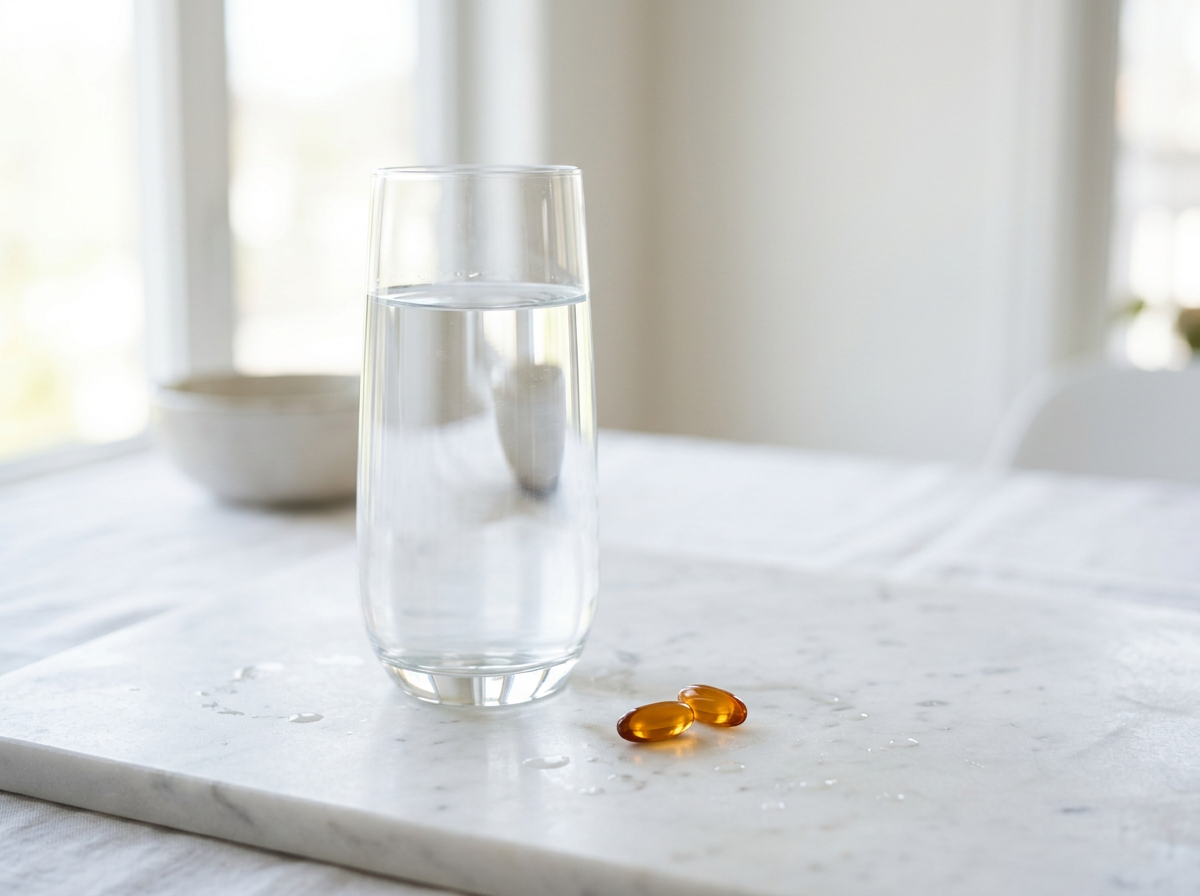
No Aftertaste, No Stomach Issues
No powders, no sachets, nothing to mix. Our soft gels are small, smooth and gentle on your stomach — two each night before bed, and that is the whole routine.
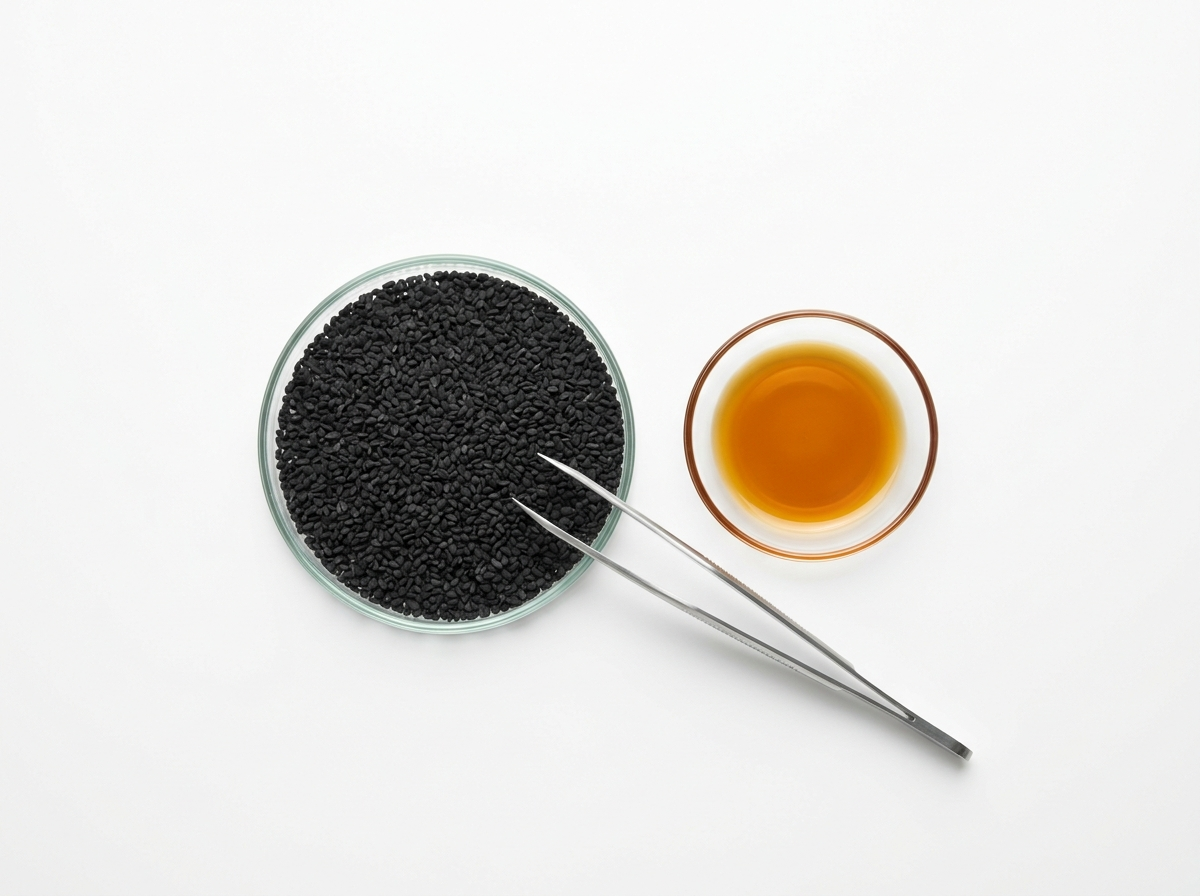
Clean, Third-Party Tested Ingredients
Vegan, non-GMO, and free from gluten, dairy, soy, sugar, and artificial fillers. Every single batch is independently tested for purity and potency, manufactured in the USA.

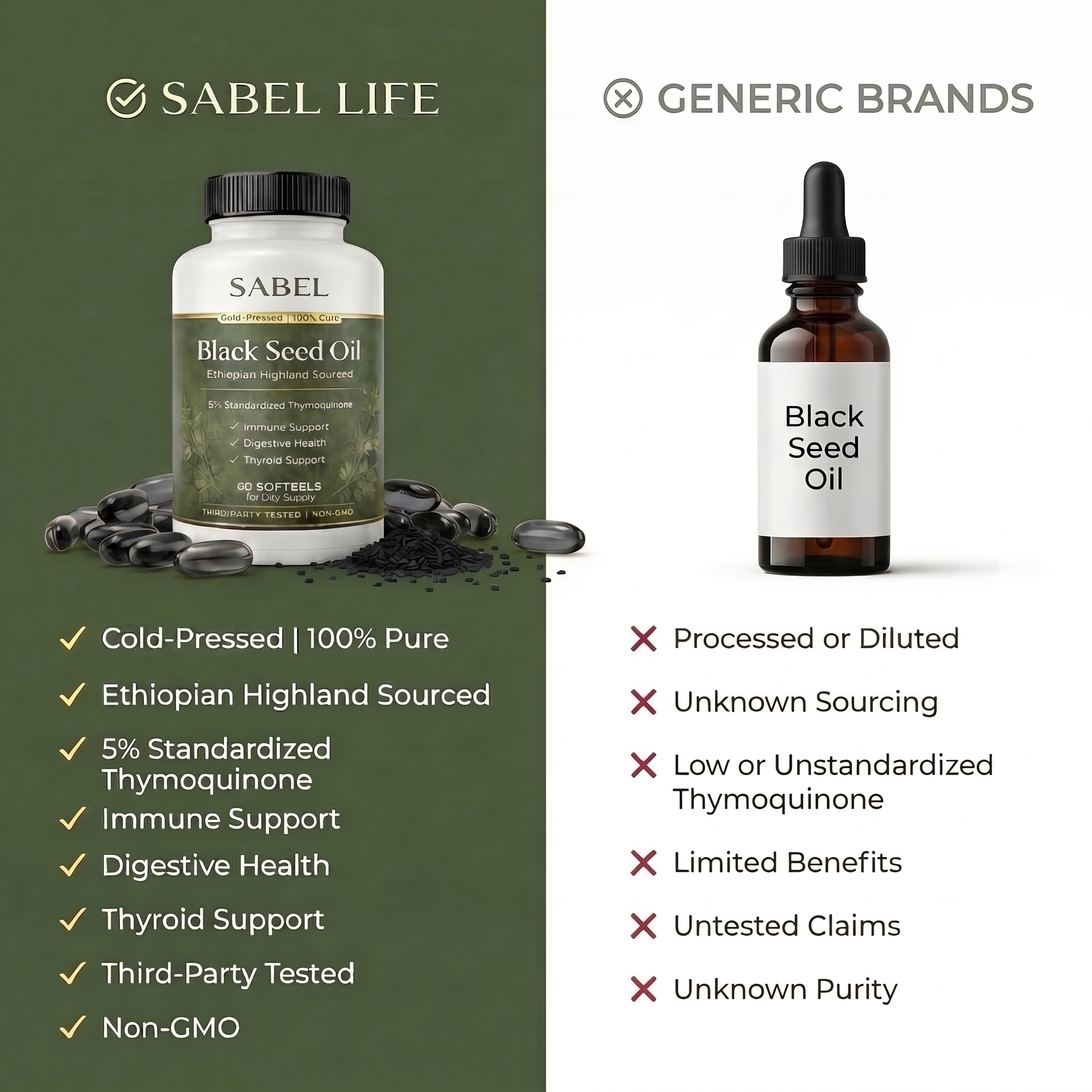
|
 Other Brands Other Brands
|
|---|---|
 Studied In People With COPD Studied In People With COPD
|
No Respiratory Research |
 Independently Lab Tested Independently Lab Tested
|
No Verified Testing |
 Ethiopian Highland Sourced Ethiopian Highland Sourced
|
Low-Altitude, Diluted Oil |
 Full-Strength 5% Thymoquinone Full-Strength 5% Thymoquinone
|
0.5–1.2% Thymoquinone At Best |
 Cold-Pressed, 100% Pure Cold-Pressed, 100% Pure
|
Does Not Get Absorbed Properly |
 High-Absorption Softgels High-Absorption Softgels
|
Hard-to-Swallow Capsules |
Sabel Life vs. Other Brands
- Studied In People With COPD—A placebo-controlled trial, not a trend
- Reaches Lung Tissue Itself—Where thick mucus stops an inhaler getting through
- Built For The Cycle Itself—Not another four-hour fix
- Clean & Pure Ingredients—No fillers, GMOs, or unnecessary additives
Feel the Difference
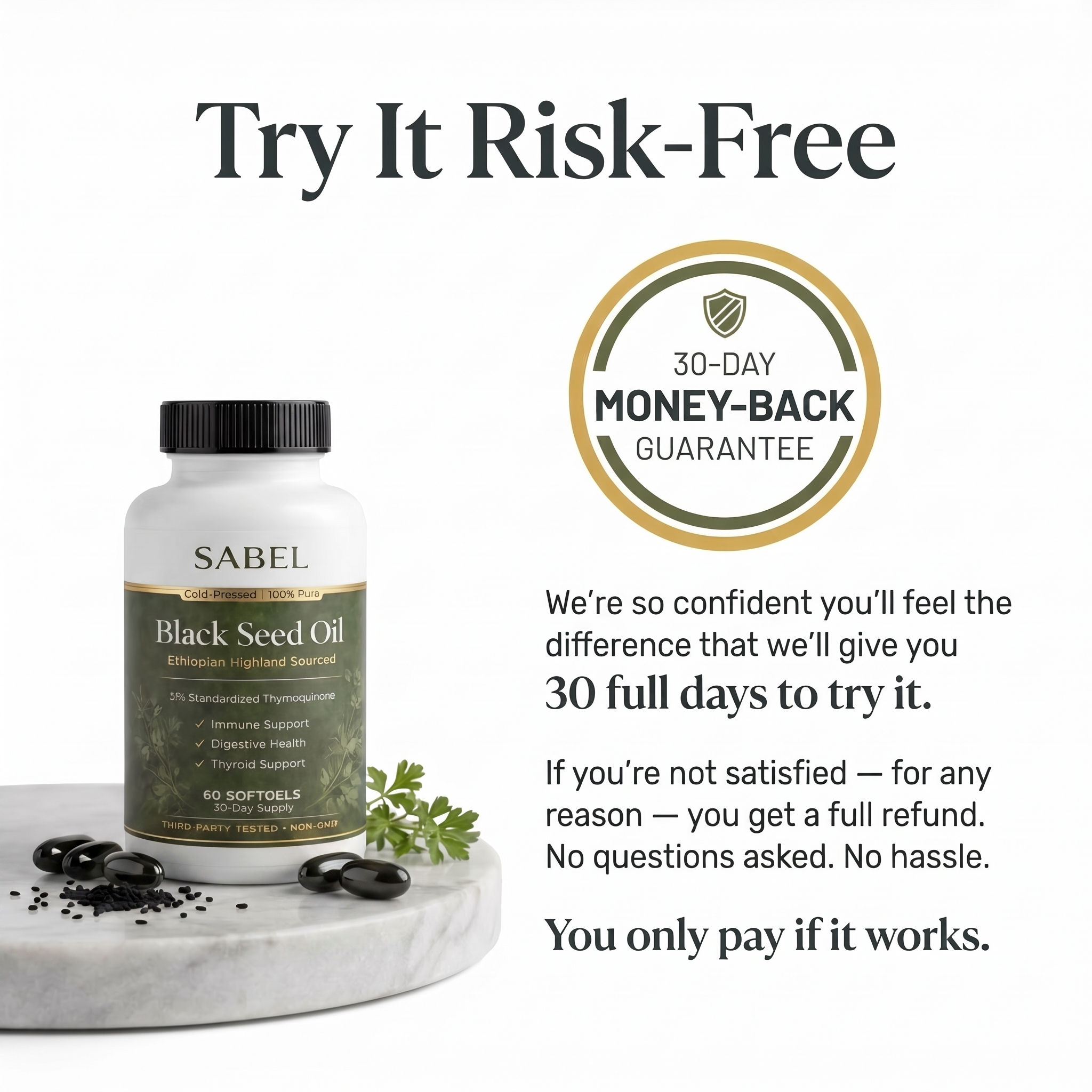
30-Day Risk-Free Trial
If you’re not completely satisfied in your first 30 days, simply return your order for a full refund — no questions asked.
Stock up. Save more.

Buy One

Buy 2 Get 1 Free

Buy 3 Get 2 Free
Years Of Inhalers. This Is What Finally Changed.
Diagnosed in 2011 and every doctor told me the inhalers would keep it in check. They did not. It got worse. I am not going to pretend two soft gels undid fifteen years of damage, but my mornings are shorter and what comes up is thinner. That is more than any inhaler ever did for the mucus.
I was skeptical that a soft gel could do anything six inhalers could not. Then I read about why the inhalers stop working — the mucus is literally in the way. Three months in, still on every prescription, and I reach for the rescue one maybe half as often.
The key for me was just not skipping nights. I keep the bottle next to my nebulizer so I do not forget. It is not dramatic and there is no big moment. You notice it in what stops happening — for me, the 2am wake-ups.
Frequently Asked Questions
Contact Us
support@sabellife.comNeed Help?
© 2026 Sabel Life